
- TRAVEL PACKAGES
- CUSTOMIZED TRIPS
- TOP TOURS
- Daily Tours
- PRACTICAL TRAVEL INFO
- DISCOVER VIETNAM
- PARTNER WITH US
19-06-2025
Hello there, connoisseurs of exquisite beauty and masterful craftsmanship! 👋 Vietnamese lace embroidery is a truly remarkable traditional craft that showcases incredible skill and boundless patience. Unlike many other forms of embroidery, lace embroidery often involves creating delicate, openwork patterns that form a beautiful, airy fabric. It’s a powerful testament to the artistry of Vietnamese craftspeople, as they transform simple threads into intricate works of wearable art and decoration.

While general embroidery has a long history in Vietnam, the more specialized art of lace embroidery (often influenced by European techniques but adapted with unique Vietnamese motifs) gained prominence over the centuries. It became particularly popular in central and northern Vietnam, with certain regions becoming renowned for their distinct styles and high-quality work.
This craft was typically passed down through generations within families and villages, with young girls learning the precise stitches from their mothers and grandmothers. It’s a skill that demands not just nimble fingers but also a keen eye for detail and immense dedication, as each piece can take many hours or even weeks to complete.


Vietnam proudly boasts numerous traditional lace embroidery villages, each possessing its own unique characteristics, contributing to the rich tapestry of this art form:
Each village has diligently preserved and developed its own unique techniques and secrets, contributing to the diversity and richness of Vietnamese lace embroidery, while also showcasing the adaptability and creativity of its artisans.

Vietnamese lace embroidery isn’t merely about adding stitches; it’s about constructing a fabric from scratch or creating open, airy designs on an existing fabric. Here’s a simplified look at the process:

Today, Vietnamese lace embroidery continues to be cherished for its elegance and unique charm. While traditionally used for items like collars, cuffs, handkerchiefs, and ceremonial clothing, it has found new life in modern applications.
You can find exquisite lace embroidery on:
Visiting traditional craft villages or specialized workshops allows tourists to witness this incredible art form firsthand. It’s an opportunity to appreciate the skill and passion of the artisans and perhaps even take home a piece of this delicate Vietnamese heritage. Vietnamese lace embroidery is a beautiful example of how age-old traditions can continue to thrive, bringing timeless elegance into our modern world.
#VietnameseLace #LaceEmbroidery #TraditionalCraft #HandEmbroidery #EmbroideryVillages #VanLamEmbroidery #QuatDongEmbroidery #MinhLangEmbroidery #HueEmbroidery #VietnameseArtisans #DelicateArt #CulturalHeritage #MadeInVietnam #HandmadeVietnam #TextileArt
Latest news

PRACTICAL TRAVEL INFO
15/07/2025Tipping in Vietnam: A Friendly Guide
A young man shares practical advice on tipping etiquette in Vietnam’s tourism industry. Tipping in Vietnam: A Friendly Guide for Travelers For many travelers, especially those coming from cultures where tipping is customary, the practice of leaving a little extra for good service is second […]

PRACTICAL TRAVEL INFO
15/07/2025Shipping Souvenirs Home from Vietnam: A Complete Guide
Video featuring the process of delivering all products from Vietnam abroad Shipping Large Souvenirs From Vietnam: A Guide For Tourists Many tourists visiting Vietnam fall in love with the country’s exquisite and often sizable souvenirs, such as marble statues, jade carvings, ceramic vases, and large paintings. […]
PRACTICAL TRAVEL INFO
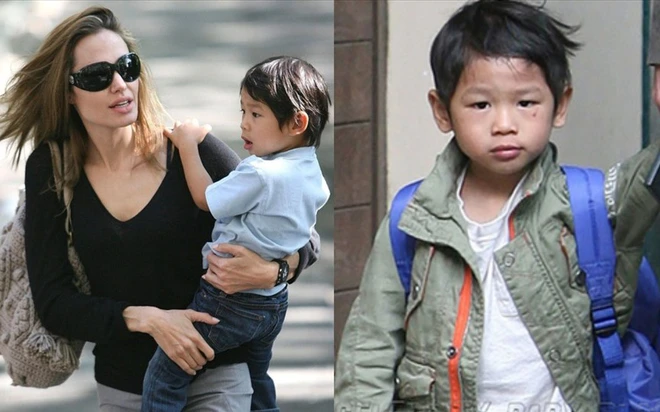
15/07/2025How to Adopt a Child from Vietnam: A-Z Guide
Video sharing lovely photos of one child- adopt from Vietnam. Giving A Loving Home: A Guide To Adopting A Child From Vietnam For Foreigners For many compassionate individuals and families abroad with stable financial resources, the desire to open their hearts and homes to a […]