
- TRAVEL PACKAGES
- CUSTOMIZED TRIPS
- TOP TOURS
- Daily Tours
- PRACTICAL TRAVEL INFO
- DISCOVER VIETNAM
- PARTNER WITH US
20-06-2025
While snake farming for venom and meat might not be globally widespread, it holds a unique and long-standing tradition in several villages across Vietnam. Among these, Lệ Mật Village in Hanoi stands out as a prominent hub, captivating visitors with its distinctive practices and rich historical narratives.
Located about 7km northeast of Hanoi’s city center in Việt Hưng Ward, Long Biên District, Lệ Mật boasts a centuries-old history intertwined with snake catching and the preparation of snake-based delicacies. Local legend recounts that in the 11th century, a young man named Hoàng from Lệ Mật bravely vanquished a water monster, saving a Lý Dynasty princess. In gratitude, the King allowed him to lead villagers to cultivate land west of Thăng Long citadel, establishing 13 prosperous settlements. To honor his contributions, the people of Lệ Mật built a temple and sustained the snake farming tradition, not only for economic development but also to preserve their unique cultural heritage.
Outline:

Today, snake farming isn’t as widespread as it once was, but it still exists in several localities. Besides Lệ Mật, some villages or households in provinces like Vĩnh Phúc, Phú Thọ, Hưng Yên, or in the Mekong Delta region such as Vĩnh Long and An Giang, also have a tradition of snake farming. However, Lệ Mật remains the most famous and developed location for snake culinary services. The number of specialized snake farming villages may have decreased, with current practices often concentrated in smaller farm models or catering to specialized restaurants.

Snake farming carries several inherent risks for farmers and the environment:

Today, Lệ Mật is not just a source of snakes for northern provinces; it’s an intriguing destination for those seeking an adventurous culinary and cultural experience in Vietnam. Visitors can observe various snake species being raised, learn about their care, and even try holding a snake under expert guidance.
The village is particularly renowned for its diverse snake dishes, highly praised by diners for their unique flavors and nutritional value. From snake blood and bile to the meat itself, a single snake can be transformed into dozens of different dishes, offering an unforgettable gastronomic adventure:

In Vietnam, snake wine is a traditional tonic, widely believed to possess various medicinal properties. Common snake species used for steeping include cobras (King Cobra, Monocled Cobra), kraits (Banded Krait, Many-banded Krait), and rat snakes.
According to folk beliefs and traditional medicine, snake wine is often thought to boost kidney function, enhance male virility, alleviate bone and joint pain (rheumatism), and improve blood circulation. Sometimes, multiple snake species (e.g., “three-snake” or “five-snake” wine) or traditional Chinese herbs are added to enhance efficacy. However, consuming snake wine should be done with extreme caution and under medical advice due to potential health risks.

Beyond Vietnam, the consumption of snake meat is also a practice in several other countries and regions worldwide, especially in Asia:

Annually, in Texas, USA, there are events known as Rattlesnake Roundups, where rattlesnakes are captured, displayed, and often processed for their meat, skin, and venom. The largest and most famous of these is the Sweetwater Rattlesnake Roundup, held every March.
These roundups have a long history, initially perceived as a way to control snake populations and protect livestock, as well as a source of adventure and community gathering in rural areas. They often feature:
However, these events are highly controversial and face significant criticism from animal welfare organizations and conservationists due to:
Despite the controversies, these roundups remain deeply rooted in local tradition and continue to draw large crowds, reflecting a unique and debated aspect of Texan culture.
Annually, on the 23rd day of the third lunar month, Lệ Mật hosts its traditional village festival, featuring unique rituals. A highlight is the Giao Long dance, re-enacting the legend of slaying the serpent deity, drawing crowds of locals and tourists alike.
Lệ Mật Village is not just a traditional craft village; it’s a unique cultural tourism highlight, showcasing the ingenuity, bravery, and distinct identity of the Vietnamese people.
#LeMatVillage #HanoiTravel #SnakeFarmingVietnam #VietnameseCuisine #UniqueExperiences #HanoiFood #TraditionalCrafts #SnakeDishes #VietnamCulture #FoodAdventure #WildlifeCuisine #ExoticFoodVietnam #RiskOfSnakeFarming #GlobalSnakeConsumption #VietnameseVillage #HanoiTourism #TexasRattlesnakeRoundup #SweetwaterTX #RattlesnakeMeat #ControversialTraditions #AmericanCulture #SnakeConsumption #ExoticMeats
Latest news
PRACTICAL TRAVEL INFO
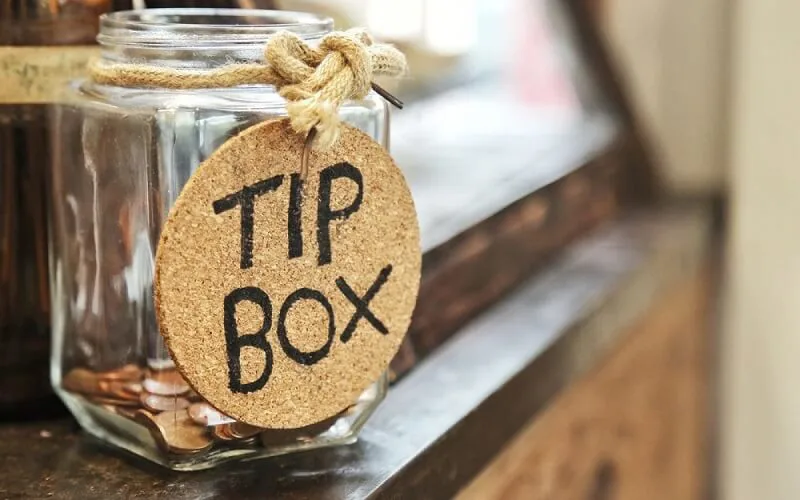
15/07/2025Tipping in Vietnam: A Friendly Guide
A young man shares practical advice on tipping etiquette in Vietnam’s tourism industry. Tipping in Vietnam: A Friendly Guide for Travelers For many travelers, especially those coming from cultures where tipping is customary, the practice of leaving a little extra for good service is second […]

PRACTICAL TRAVEL INFO
15/07/2025Shipping Souvenirs Home from Vietnam: A Complete Guide
Video featuring the process of delivering all products from Vietnam abroad Shipping Large Souvenirs From Vietnam: A Guide For Tourists Many tourists visiting Vietnam fall in love with the country’s exquisite and often sizable souvenirs, such as marble statues, jade carvings, ceramic vases, and large paintings. […]

PRACTICAL TRAVEL INFO
15/07/2025How to Adopt a Child from Vietnam: A-Z Guide
Video sharing lovely photos of one child- adopt from Vietnam. Giving A Loving Home: A Guide To Adopting A Child From Vietnam For Foreigners For many compassionate individuals and families abroad with stable financial resources, the desire to open their hearts and homes to a […]