This video delves into Vietnam’s enduring strength, drawing on historical insights and looking towards future obstacles.
Enduring Strength: Analyzing Vietnam’s Resilience Against Historical Invasions
Vietnam, a nation with a profound and storied history stretching back nearly 5,000 years, has stood as a testament to resilience in the face of persistent external aggression. Despite its relatively modest size and resources, Vietnam has repeatedly thwarted the ambitions of powerful invaders. This analysis explores the underlying factors contributing to this remarkable historical defiance, examining Vietnam’s strategic geographical position, its natural and human resources, a concise history of failed invasions by major powers, and the enduring spirit of the Vietnamese people that has consistently defied subjugation.
SPECIAL OUTLINE
Get an immediate grasp of our article’s core and structure through these key highlights:
A Millennium of Resistance: Explore Vietnam’s consistent struggle against foreign invasions, including successful repulsions of various Chinese dynasties and the mighty Mongol Empire.
Pivotal Victories and Legendary Leaders: Highlight key historical moments like the Bach Dang River battles and the Dien Bien Phu victory, led by iconic figures such as the Trung Sisters, Ly Thuong Kiet, Tran Hung Dao, Le Loi, and Ho Chi Minh.
Core Resistance Strategies: Understand the effective tactics employed, including the resilient population, strong community bonds, strategic guerrilla warfare, and adaptable military approaches that exploited terrain and climate.
Unyielding National Spirit: Identify the profound factors contributing to success, such as a strong national identity, deep desire for cultural preservation, unwavering leadership, and a collective historical memory of triumph.
Lessons in Resilience: Conclude with the overarching insight that Vietnam’s enduring strength is a potent combination of geographical advantages, inherent resilience, national unity, and a deep commitment to independence.
The Undying Spirit of Unity: Emphasize how the entire nation consistently united with a singular purpose to fight for and safeguard the homeland, embodying an undying spirit of sacrifice for national salvation.
EXPLORE VIETNAM’S REMARKABLE ENDURING STRENGTH, ANALYZING ITS HISTORICAL RESILIENCE AGAINST COUNTLESS INVASIONS THROUGH UNWAVERING NATIONAL UNITY, STRATEGIC BRILLIANCE, AND A PROFOUND COMMITMENT TO INDEPENDENCE!
Now! Let’s delve into the compelling historical analysis of Vietnam’s enduring strength, uncovering the spirit and strategies that forged its unyielding resilience against all odds!
1. A Geopolitical Keystone: Vietnam’s Strategic Significance
Profound Nationalism and Patriotism of Vietnam
Vietnam’s geographical location has been both a blessing and a curse throughout its history. Situated in a crucial position in Southeast Asia
, it holds significant geopolitical weight for several key reasons:
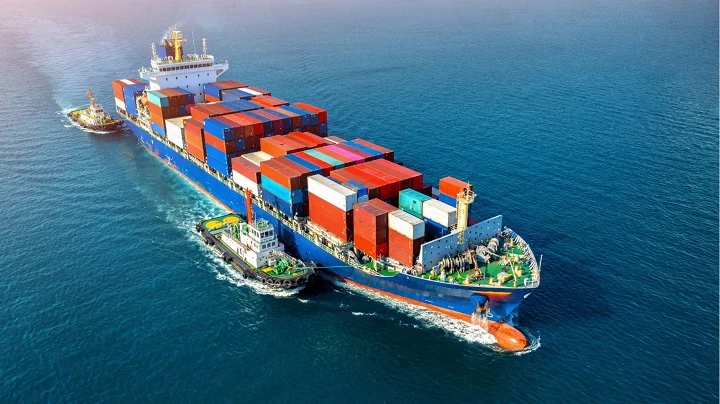
GEOPOLITIC ROLE OF VIETNAM IN THE ASIA – PACIFIC ROUTS
A Land Bridge: Vietnam acts as a natural land bridge connecting mainland Southeast Asia with the maritime routes of the South China Sea and the Pacific Ocean. This strategic location has made it a vital artery for trade and military movement for centuries. Control over Vietnam offered access and influence over a broader region.
Gateway to Southeast Asia: For powers seeking to expand their influence in Southeast Asia, Vietnam often represented a crucial gateway. Its coastline provides access to vital sea lanes, and its territory offers a foothold into the Indochinese Peninsula.
Resource-Rich Corridor: Vietnam possesses significant natural resources, including fertile agricultural land (especially the Red River and Mekong Delta regions), minerals, and coastal resources. These resources have historically been attractive to external powers seeking economic gain.
Buffer Zone: Historically, Vietnam has also served as a natural buffer zone between larger powers vying for dominance in the region. Its ability to resist external control has inadvertently contributed to maintaining a balance of power, albeit often at a great cost to the Vietnamese people.
Maritime Importance: Vietnam’s extensive coastline and numerous ports provide strategic access to the South China Sea, a critical waterway for global trade and a region of increasing geopolitical tension.
Beyond its strategic location, Vietnam’s inherent resources have played a role in attracting external interest, while the character of its people has been instrumental in resisting domination:
Fertile Land: The rich agricultural lands, particularly the Red River Delta in the north and the Mekong Delta in the south, have sustained a large population and provided a crucial economic base. Control over these fertile regions was essential for any power seeking to establish long-term dominance.
Natural Resources: While not possessing vast reserves of all resources, Vietnam has had valuable minerals, timber, and marine resources that have historically been sought after.
A Resilient Population: The Vietnamese people, forged through centuries of struggle and adaptation to a challenging environment, possess a deep-seated resilience, strong community bonds, and a profound sense of national identity. This human resource has proven to be the most formidable asset in resisting foreign aggression.
NOTE: TO KNOW MORE RELATED TOPICS, PLEASE CLICK HERE!
3. A History of Defiance: Failed Invasions by Major Powers
Despite facing numerous invasions from powerful empires and modern superpowers, Vietnam has a remarkable track record of ultimately resisting and expelling foreign forces. Here is a concise overview of some key instances:
Chinese Dynasties (Over a Millennium): For over a thousand years, various Chinese dynasties attempted to exert direct rule over Vietnam. While periods of occupation occurred, the Vietnamese people consistently mounted successful resistance movements, eventually regaining and maintaining their independence. Figures like the Trung Sisters, Ly Thuong Kiet, and Le Loi stand as iconic symbols of this enduring struggle. The terrain and the unwavering will of the Vietnamese population proved to be significant obstacles for the larger, better-equipped Chinese armies.
UNDER THE LEADERSHIP OF GENERAL LE LOI, VIETNAM DEFEATED THE MING INVADERS
The Mongol Empire (13th Century): The mighty Mongol Empire, which had conquered vast swathes of Eurasia, launched three major invasions of Dai Viet (ancient Vietnam) in the 13th century. Led by formidable generals, the Mongol forces were ultimately defeated each time by the strategic brilliance of Vietnamese leaders like Tran Hung Dao and the adaptability of Vietnamese military tactics, which utilized the dense terrain and climate to their advantage. The naval battles on the Bach Dang River stand as legendary victories.
Only Vietnam was able to defeat the Mongol Empire, the superpower of the 13th century.
French Colonialism (19th-20th Century): France established colonial rule over Vietnam in the late 19th century but faced persistent resistance movements throughout their occupation. The Vietnamese people, driven by a desire for independence, engaged in numerous uprisings and eventually, under the leadership of Ho Chi Minh and the Viet Minh, waged a protracted and ultimately successful war of independence, culminating in the decisive victory at Dien Bien Phu in 1954. The unwavering determination and the support of the rural population were crucial factors in their success against a technologically superior colonial power.
Vietnam’s world-shaking victory against the French colonial power
The United States (20th Century): The Vietnam War saw the United States, a global superpower, heavily involved in a prolonged conflict in support of South Vietnam. Despite immense military power and resources, the US ultimately withdrew in 1973, and North Vietnam reunified the country in 1975. The reasons for the US failure are complex but include the unwavering determination of the Vietnamese people on both sides, the effectiveness of guerrilla warfare tactics employed by the North Vietnamese and the Viet Cong, the lack of clear political objectives, and growing domestic opposition within the United States.
The Ho Chi Minh Campaign, a historic and decisive victory that led to the liberation of Southern Vietnam and the reunification of the country
NOTE: TO UNVEIL VIETNAMESE NATIONAL HEROES, PLEASE CLICK HERE!
4. The Unbreakable Spirit: Why Vietnam Defies Subjugation
Despite its relatively smaller size and resources compared to its invaders, Vietnam has consistently demonstrated an indomitable spirit of resistance. This stems from a confluence of deeply ingrained cultural, historical, and social factors:
Profound Nationalism and Patriotism: Centuries of struggle against foreign domination have forged a powerful sense of national identity and unwavering patriotism among the Vietnamese people. This deep love for their homeland and a fierce determination to protect it transcends generations.
Resilience and Adaptability: The Vietnamese people have a long history of adapting to challenging environments and overcoming adversity. This inherent resilience has been crucial in enduring prolonged conflicts and finding innovative ways to resist stronger adversaries.
Strong Sense of Community and Solidarity: Vietnamese society places a high value on community and collective action. This strong social cohesion has enabled them to mobilize effectively in times of crisis and present a united front against invaders. Village networks and communal support systems have historically been vital for resistance efforts.
Strategic Acumen and Guerrilla Warfare: Faced with superior military technology, Vietnamese forces have often employed ingenious military strategies, particularly guerrilla warfare tactics that exploit the terrain, climate, and the support of the local population to wear down and ultimately defeat larger, conventional armies.
Cultural Preservation and Identity: The desire to preserve their unique culture, traditions, and way of life has been a powerful motivating factor in resisting foreign domination. The Vietnamese people have consistently fought to maintain their cultural identity in the face of external pressures.
Leadership and Inspiration: Throughout its history, Vietnam has produced charismatic and strategically brilliant leaders who have inspired and mobilized the population to resist foreign aggression. Figures like Ho Chi Minh in the modern era embody this tradition of leadership.
Historical Memory and Education: The history of successful resistance against powerful invaders is deeply ingrained in the national consciousness through education, cultural narratives, and public commemoration. This collective memory serves as a constant source of inspiration and reinforces the spirit of independence.
NOTE: TO UNLOCK THE STRENGTH OF VIETNAMESE WOMEN, PLEASE CLICK HERE!
5. A Legacy of Unyielding Strength
Vietnam’s history is a powerful testament to the enduring strength and unwavering spirit of a nation determined to control its own destiny. Despite facing numerous invasions from powerful empires and superpowers, the Vietnamese people have consistently defied subjugation due to a potent combination of strategic geographical advantages, inherent resilience, strong national unity, effective resistance strategies, and a deep-seated commitment to their cultural identity and independence. The legacy of their heroic struggles serves as an inspiration not only for the Vietnamese people but for all nations striving to preserve their sovereignty and uphold their indomitable spirit in the face of adversity.
6. The Unbreakable Spirit of National Unity and Heroism in Times of War
The assertion that in times of war, the entire nation of Vietnam has consistently united with a singular purpose—to fight for and safeguard the homeland, to build freedom and independence, embodying an undying spirit of sacrificing everything for national salvation and reunification—encapsulates the very essence of Vietnamese national heroism. This unity, this unwavering resolve, is the bedrock of Vietnam’s strength, representing the power of national solidarity, the sacred spirit of its rivers and mountains, and the concept of people’s war. Let’s delve deeper into these profound aspects.
The Crucible of War: Forging National Unity (Đồng lòng, đồng tâm đoàn kết): Throughout its long and often tumultuous history, the constant threat of foreign invasion has acted as a crucible, forging an extraordinary level of national unity among the Vietnamese people. Geographical differences, regional nuances, and even social strata have historically dissolved when the nation’s sovereignty was at stake. This unity transcends political or ideological divides, rooted in a shared identity and a common desire to protect their ancestral lands and cultural heritage. The call to defend the nation has consistently resonated deeply within the hearts of Vietnamese citizens, fostering a collective will to resist any aggressor.
The Unifying Ideal: Fighting for Freedom and Independence (Cùng chung lý tưởng chiến đấu bảo vệ đất nước, gây dựng tự do độc lập): The driving force behind this remarkable unity has always been the unwavering ideal of national independence and freedom. For generations, the Vietnamese people have fiercely cherished their self-determination and have been willing to endure immense hardship and sacrifice to achieve and maintain it. This aspiration for a sovereign and independent Vietnam has served as a powerful unifying ideology, galvanizing the entire population—from the rice paddies to the cities—to stand against any foreign power seeking to impose its will. The pursuit of freedom and the right to self-governance are deeply ingrained in the Vietnamese psyche.
The Immortal Spirit: Sacrifice for National Salvation and Reunification (Tinh thần bất diệt, thà hi sinh tất cả để cứu nước, để thống nhất đất nước): Perhaps the most defining characteristic of Vietnamese resistance is the indomitable spirit of self-sacrifice. Throughout its history, countless Vietnamese individuals—both celebrated heroes and ordinary citizens—have displayed extraordinary courage and a willingness to sacrifice everything, including their lives, for the greater cause of national salvation and, in the 20th century, for the reunification of the country. This spirit is not born out of fanaticism but from a profound understanding that the loss of national sovereignty equates to the loss of their way of life, their culture, and their future. The phrase “thà hi sinh tất cả chứ nhất định không chịu mất nước” (we would rather sacrifice everything than lose our country) encapsulates this unwavering resolve.
National Heroism: The Embodiment of Unity and Sacrifice (Chủ nghĩa anh hùng dân tộc): This collective will and individual acts of extraordinary sacrifice form the bedrock of Vietnamese national heroism. This heroism is not limited to military figures but encompasses the bravery and resilience of the entire population—those who fought on the front lines, those who supported the war effort through labor and resources, and those who endured immense hardship under occupation. The stories of their courage and selflessness are deeply woven into the fabric of Vietnamese national identity, serving as enduring inspiration.
The Strength of Great National Solidarity (Sức mạnh đại đoàn kết dân tộc): The repeated success of Vietnam in resisting powerful invaders can be directly attributed to the immense power of its great national solidarity. This is not merely a political slogan but a tangible force rooted in shared history, cultural values, and a common destiny. When faced with external aggression, the Vietnamese people have consistently demonstrated an ability to put aside internal differences and unite as one cohesive entity, channeling their collective strength towards the single goal of defending the nation. This solidarity has manifested in various forms, from widespread participation in resistance movements to the unwavering support of the home front for those fighting.
The Sacred Essence of the Land (Khí huyết hồn thiêng sông núi): The Vietnamese spirit of resistance is also deeply connected to a profound reverence for their land—the “khí huyết hồn thiêng sông núi” (the vital essence and sacred soul of the rivers and mountains). The natural landscape of Vietnam, with its dense jungles, towering mountains, and intricate waterways, has not only shaped the character of its people but has also served as a strategic asset in resisting invaders. The Vietnamese have a deep spiritual connection to their land, viewing it as an integral part of their identity and something worth fighting to protect at all costs. This spiritual connection fuels their determination and strengthens their resolve.
People’s War: The Strength of the Nation in Arms (Chiến tranh nhân dân): The concept of “people’s war” (chiến tranh nhân dân) has been a cornerstone of Vietnam’s successful resistance strategies, particularly in the modern era. This strategy recognizes that the strength of the nation lies not just in its professional army but in the entire population’s participation in the struggle. It involves the mobilization of all available resources and the active involvement of ordinary citizens in various forms of resistance, from armed struggle to intelligence gathering, logistical support, and maintaining the social and economic fabric of the nation under duress. This all-encompassing approach transforms the entire country into a battlefield and makes it incredibly difficult for any invading force to achieve lasting control.
In conclusion:
The unwavering unity, the shared ideal of independence, the spirit of ultimate sacrifice, the embodiment of national heroism, the strength of national solidarity, the deep connection to the land, and the strategic implementation of people’s war are all inextricably linked facets of Vietnam’s remarkable resilience against foreign aggression. These elements, deeply embedded in the national consciousness and forged through centuries of struggle, explain why this relatively small nation has consistently defied the might of larger powers, standing as a powerful testament to the indomitable spirit of a people united in the defense of their homeland.