- TRAVEL PACKAGES
- CUSTOMIZED TRIPS
- TOP TOURS
- Daily Tours
- PRACTICAL TRAVEL INFO
- DISCOVER VIETNAM
- PARTNER WITH US
14-07-2025
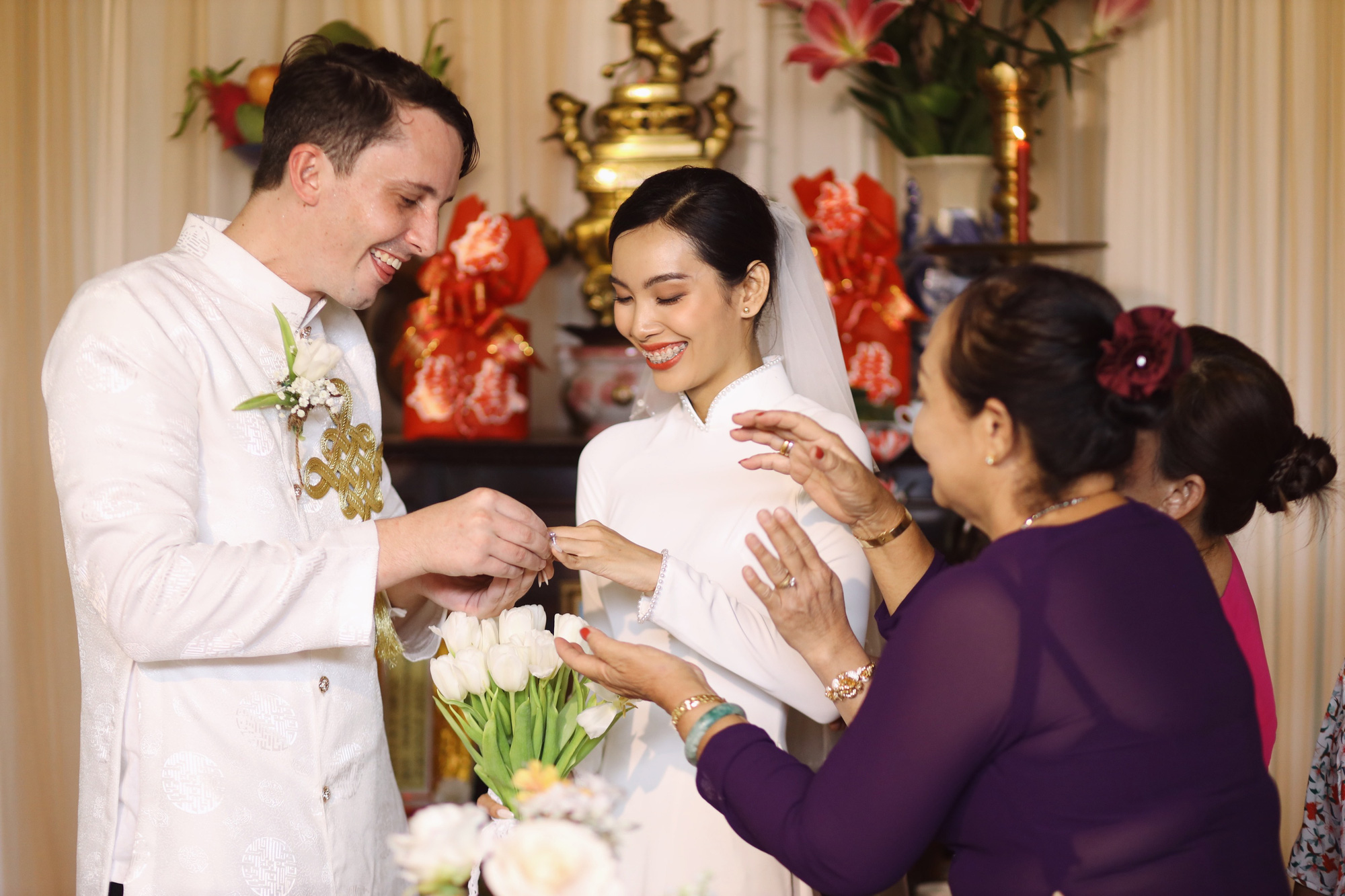
Vietnam, a land of breathtaking landscapes, rich history, and vibrant culture, warmly welcomes visitors from around the globe. To ensure you have a smooth and enriching travel experience, understanding and respecting local customs and etiquette is key. This guide offers valuable insights for foreign tourists to navigate Vietnamese social norms with grace and consideration.
SPECIAL OUTLINE
Now, let’s dive into the detailed guide!
Vietnam is home to many beautiful pagodas (chùa), temples (đền), and historical sites that hold deep cultural and spiritual meaning. When visiting these places, it’s essential to dress respectfully:

While Vietnamese people are generally warm and welcoming, it’s important to be mindful of personal space and photography, especially when it involves individuals:
Vietnamese people place great importance on dignity and self-respect, and their national pride is very high. If tourists express biased views, criticize, or speak ill of them, or disparage national heroes or revolutionary victories, they might not outwardly show strong reactions, but they could express displeasure or even become less friendly towards such visitors. Always show respect for the people, culture, and history of Vietnam.
Although Vietnam is a developing country, its achievements in poverty reduction, social progress, and science and technology are truly remarkable. Therefore, when traveling in Vietnam, tourists should maintain an objective and appropriate perspective. In some rural areas, you might encounter sights like unhygienic animal husbandry, animal waste scattered on streets, smoke and dust from active brick kilns, sewage ditches filled with pollutants, or chemical contamination. In urban areas, traffic can be extremely congested, often causing peak-hour gridlock, combined with urban noise from people, high vehicle density, and constant honking. See these as part of the authentic experience of a country undergoing rapid development, and you’ll gain a more comprehensive understanding of Vietnam.

By being mindful of these customs and etiquette tips, you can demonstrate your respect for Vietnamese culture and people. This will not only enrich your travel experience but also foster positive interactions and leave a lasting positive impression. Remember that cultural differences are part of what makes travel so fascinating. Embrace the opportunity to learn and adapt, and you’ll find the Vietnamese people to be incredibly welcoming and hospitable.
By approaching your travels in Vietnam with an open mind and a willingness to understand and respect local customs, you’ll undoubtedly have a more rewarding and meaningful journey. Enjoy the beauty and warmth of Vietnam!
#VietnamTravelTips #VietnamEtiquette #RespectLocalCustoms #TravelVietnamResponsibly #CulturalSensitivityVietnam #SoutheastAsiaTravel #TravelGuideVietnam #VietnameseCulture #MindfulTravel #VietnamCultureTrip #TravelRespectfully #CulturalAwareness #WhenInVietnam #LocalCustoms #EthicalTravel #EnjoyVietnam #SoutheastAsiaCulture #GlobalCitizen
Latest news
PRACTICAL TRAVEL INFO
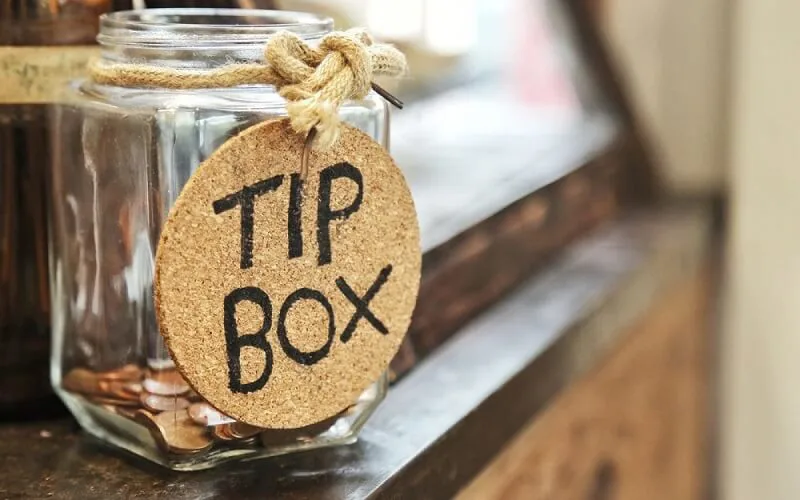
15/07/2025Tipping in Vietnam: A Friendly Guide
A young man shares practical advice on tipping etiquette in Vietnam’s tourism industry. Tipping in Vietnam: A Friendly Guide for Travelers For many travelers, especially those coming from cultures where tipping is customary, the practice of leaving a little extra for good service is second […]

PRACTICAL TRAVEL INFO
15/07/2025Shipping Souvenirs Home from Vietnam: A Complete Guide
Video featuring the process of delivering all products from Vietnam abroad Shipping Large Souvenirs From Vietnam: A Guide For Tourists Many tourists visiting Vietnam fall in love with the country’s exquisite and often sizable souvenirs, such as marble statues, jade carvings, ceramic vases, and large paintings. […]
PRACTICAL TRAVEL INFO
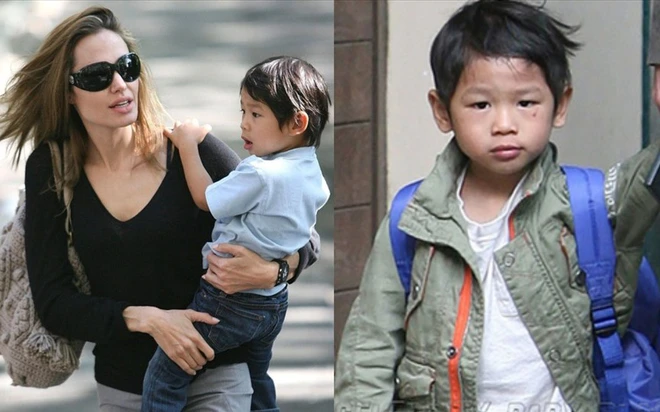
15/07/2025How to Adopt a Child from Vietnam: A-Z Guide
Video sharing lovely photos of one child- adopt from Vietnam. Giving A Loving Home: A Guide To Adopting A Child From Vietnam For Foreigners For many compassionate individuals and families abroad with stable financial resources, the desire to open their hearts and homes to a […]