- TRAVEL PACKAGES
- CUSTOMIZED TRIPS
- TOP TOURS
- Daily Tours
- PRACTICAL TRAVEL INFO
- DISCOVER VIETNAM
- PARTNER WITH US
15-07-2025
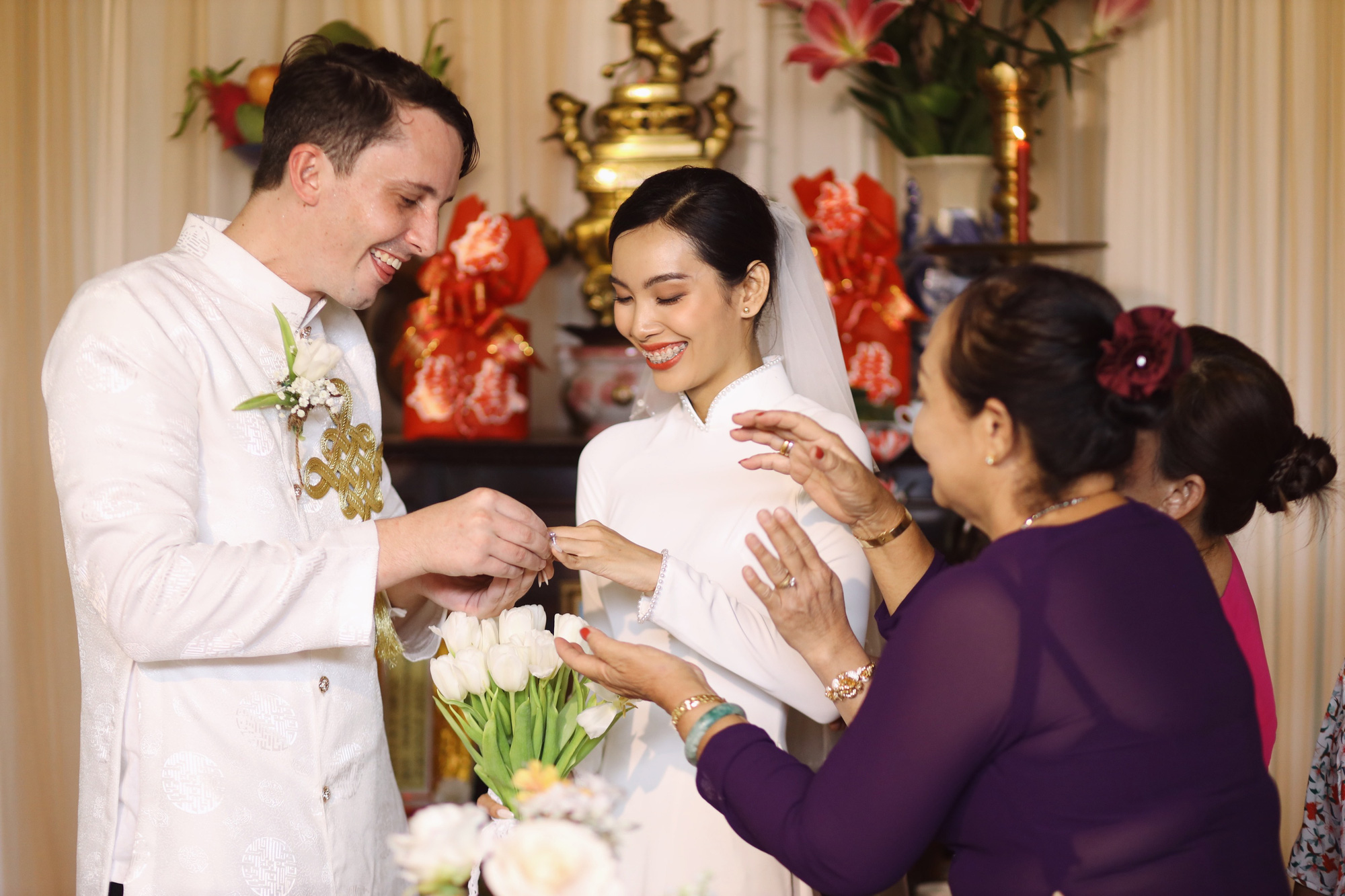
Welcome to a romantic journey in Vietnam! This country, with its picturesque landscapes and warm-hearted people, has a way of capturing hearts. For some lucky visitors, this connection deepens into a beautiful romance, leading to the wonderful decision of marriage with a Vietnamese partner. If you’re a foreigner planning to say “I do” in Vietnam, this guide will walk you through the necessary legal procedures and offer insights into the beautiful Vietnamese wedding traditions.
SPECIAL OUTLINE

Here’s a breakdown of the essential procedures for a foreign national marrying a Vietnamese citizen:
First, you’ll need to ensure both parties meet the legal requirements for marriage in Vietnam. Generally, this includes:
As a foreigner, you’ll need to gather several important documents. These typically include:
Important Note: All foreign documents will need to be translated into Vietnamese by a certified translation agency and notarized by a Vietnamese notary public. You may also need to have some documents legalized by the Vietnamese Ministry of Foreign Affairs after notarization. Check with your embassy/consulate and the local Justice Department for the most up-to-date requirements.
Your Vietnamese partner will also need to provide certain documents, such as:
Once all documents are prepared, you and your partner will need to submit them to the local Justice Department (Sở Tư Pháp) in the province or city where your Vietnamese partner permanently resides.
The Justice Department will review your application and may schedule an interview with both of you to ensure the marriage is voluntary and legal.
If your application is approved, the Justice Department will issue your official Marriage Certificate (Giấy Chứng Nhận Kết Hôn). This is the legal document that recognizes your marriage in Vietnam.
After receiving your marriage certificate, you may need to register the marriage in your home country according to its laws. Consult your country’s embassy or consulate for guidance.
Vietnamese weddings are rich in tradition and symbolism, often spanning several events. Here’s a glimpse into some common customs you might encounter:
A Unique Cultural Aspect: Vietnamese Women Retain Their Maiden Names
It’s important for foreign grooms to understand a significant cultural aspect in Vietnam: Vietnamese women traditionally don’t change their last name upon marriage, regardless of whether they marry a Vietnamese man or a foreign national. Their family name, inherited from their father, remains with them throughout their lives. This is different from some Western cultures where women often adopt their husband’s surname and may even change it again if they remarry. This tradition reflects the strong emphasis on family lineage and identity within Vietnamese culture.
#VietnamMarriage #ForeignerMarryingVietnamese #VietnameseWedding #MarriageProceduresVietnam #WeddingTraditionsVietnam #LoveKnowsNoBorders #InterculturalMarriage #GettingMarriedInVietnam #VietnamLoveStory #VietnameseCulture #WomensNamesVietnam #MaidenName
Latest news
PRACTICAL TRAVEL INFO
15/07/2025Tipping in Vietnam: A Friendly Guide
A young man shares practical advice on tipping etiquette in Vietnam’s tourism industry. Tipping in Vietnam: A Friendly Guide for Travelers For many travelers, especially those coming from cultures where tipping is customary, the practice of leaving a little extra for good service is second […]

PRACTICAL TRAVEL INFO
15/07/2025Shipping Souvenirs Home from Vietnam: A Complete Guide
Video featuring the process of delivering all products from Vietnam abroad Shipping Large Souvenirs From Vietnam: A Guide For Tourists Many tourists visiting Vietnam fall in love with the country’s exquisite and often sizable souvenirs, such as marble statues, jade carvings, ceramic vases, and large paintings. […]
PRACTICAL TRAVEL INFO
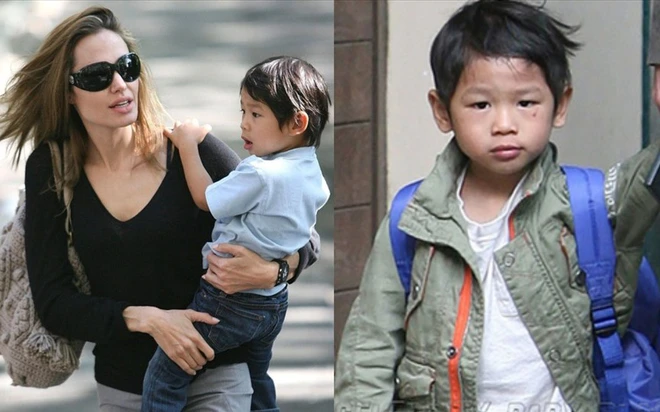
15/07/2025How to Adopt a Child from Vietnam: A-Z Guide
Video sharing lovely photos of one child- adopt from Vietnam. Giving A Loving Home: A Guide To Adopting A Child From Vietnam For Foreigners For many compassionate individuals and families abroad with stable financial resources, the desire to open their hearts and homes to a […]