- TRAVEL PACKAGES
- CUSTOMIZED TRIPS
- TOP TOURS
- Daily Tours
- PRACTICAL TRAVEL INFO
- DISCOVER VIETNAM
- PARTNER WITH US
13-06-2025
This video captures a captivating performance of Cai Luong, a beloved traditional Vietnamese theatrical art form.
Cải Lương, a term meaning “reform” and “betterment,” is a unique and beloved traditional Vietnamese theatrical art form, particularly flourishing in the Southern region. Emerging in the early 20th century, Cải Lương isn’t just a play or a concert; it’s a harmonious blend of music, singing, acting, dance, and vibrant costumes, creating a vivid reflection of Vietnamese culture and its people.
SPECIAL OUTLINE
Get an immediate grasp of our article’s core and structure through these key highlights:
Cải Lương originated from Đờn ca tài tử (Southern Vietnamese amateur music) and gradually integrated elements of folk theater and influences from Western spoken drama. Early performances, known as “ca ra bộ” (singing with rudimentary acting), evolved into full-fledged plays with developed plots, characters, and stage settings. The name “Cải Lương” officially appeared around 1920, signifying a “reform” in singing styles and the “transmission” of refined narratives.
The 1930s marked Cải Lương’s golden age, with numerous troupes captivating audiences nationwide. Its appeal stemmed from relatable stories that addressed social issues, romantic love, heroic deeds, and life’s tragedies. Cải Lương became a powerful voice for the people, a medium for expressing their aspirations and emotions. Over time, Cải Lương adapted to societal changes, continuously evolving while retaining its core identity, holding a special place in the hearts of many Vietnamese generations.

Cải Lương is more than just a performance; it’s a vital part of the Vietnamese soul:

Cải Lương can be broadly categorized based on its content and performance style:
Regardless of its form, Cải Lương maintains its unique identity through the seamless integration of dialogue and various singing styles (especially the Vọng cổ), supported by a traditional orchestra featuring instruments like the đàn tranh, đàn kìm, đàn cò, flute, and concave-fretted guitar.
Today, efforts are ongoing to preserve and promote Cải Lương, including festivals, training for young artists, and digital initiatives to reach wider audiences. Cải Lương remains an indispensable part of Vietnam’s cultural landscape and a source of national pride.
#CaiLuong #VietnameseTraditionalArt #PerformingArts #VietnameseCulture #CaiLuongHistory
Latest news

PRACTICAL TRAVEL INFO
15/07/2025Tipping in Vietnam: A Friendly Guide
A young man shares practical advice on tipping etiquette in Vietnam’s tourism industry. Tipping in Vietnam: A Friendly Guide for Travelers For many travelers, especially those coming from cultures where tipping is customary, the practice of leaving a little extra for good service is second […]

PRACTICAL TRAVEL INFO
15/07/2025Shipping Souvenirs Home from Vietnam: A Complete Guide
Video featuring the process of delivering all products from Vietnam abroad Shipping Large Souvenirs From Vietnam: A Guide For Tourists Many tourists visiting Vietnam fall in love with the country’s exquisite and often sizable souvenirs, such as marble statues, jade carvings, ceramic vases, and large paintings. […]
PRACTICAL TRAVEL INFO
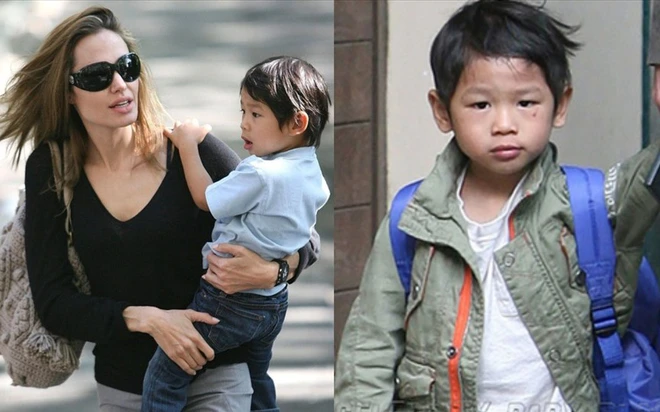
15/07/2025How to Adopt a Child from Vietnam: A-Z Guide
Video sharing lovely photos of one child- adopt from Vietnam. Giving A Loving Home: A Guide To Adopting A Child From Vietnam For Foreigners For many compassionate individuals and families abroad with stable financial resources, the desire to open their hearts and homes to a […]