A video featuring a girl sharing insights on the shifts within traditional Vietnamese families over the past 50 years.
Vietnamese Families: Shifting from Tradition to Modernity
Vietnamese society is experiencing significant transformations in its family structures and lifestyles. While the image of a traditional family with multiple generations living under one roof was once commonplace, today, modern young families are increasingly embracing independent, self-reliant lifestyles. This shift reflects broader changes in economics, society, and mindset.
SPECIAL OUTLINE:
Traditional Families: Foundations of Ancient Values
Multi-generational Living: Grandparents, parents, and children often resided together, with elders guiding younger generations.
Large Families: Common belief of “more children, more wealth,” viewing children as assets and social status.
Daughters-in-law’s Position: Primarily responsible for household chores, childcare, and serving the husband’s family.
Community Priority: Collective interests and extended family decisions paramount, with less personal leisure.
Modern Families: Independent and Self-Reliant
Trend Towards Independent Living: Young couples prefer autonomy, private space, and freedom in raising children.
Fewer Children: Driven by financial pressures, demanding careers, and desire for higher quality of life.
Daughters-in-law’s Autonomy: Increased education and workforce participation lead to desire for independent living and gender equality.
Work-Life Balance & Leisure: Growing need for relaxation, travel, shopping, and personal enrichment.
Horizontal Bonding: Greater emphasis on spousal and parent-child relationships, forming a strong nuclear unit.
Impact and Outlook
Benefits & Challenges: Increased personal freedom and gender equality versus reduced intergenerational cohesion and childcare support.
Positive Evolution: Adapting to modern changes while preserving core values of affection and strong bonds.
VIETNAMESE FAMILIES – EVOLUTION FROM MULTI-GENERATIONAL ROOTS TO MODERN INDEPENDENCE
NOW, LET’S EXPLORE THE DYNAMIC CHANGES SHAPING VIETNAMESE FAMILIES, FROM THEIR TRADITIONAL ROOTS TO CONTEMPORARY LIFESTYLES!
Traditional Family
1. Traditional Families: Foundations of Ancient Values
In the context of Vietnamese society decades ago, traditional families typically exhibited the following prominent characteristics:
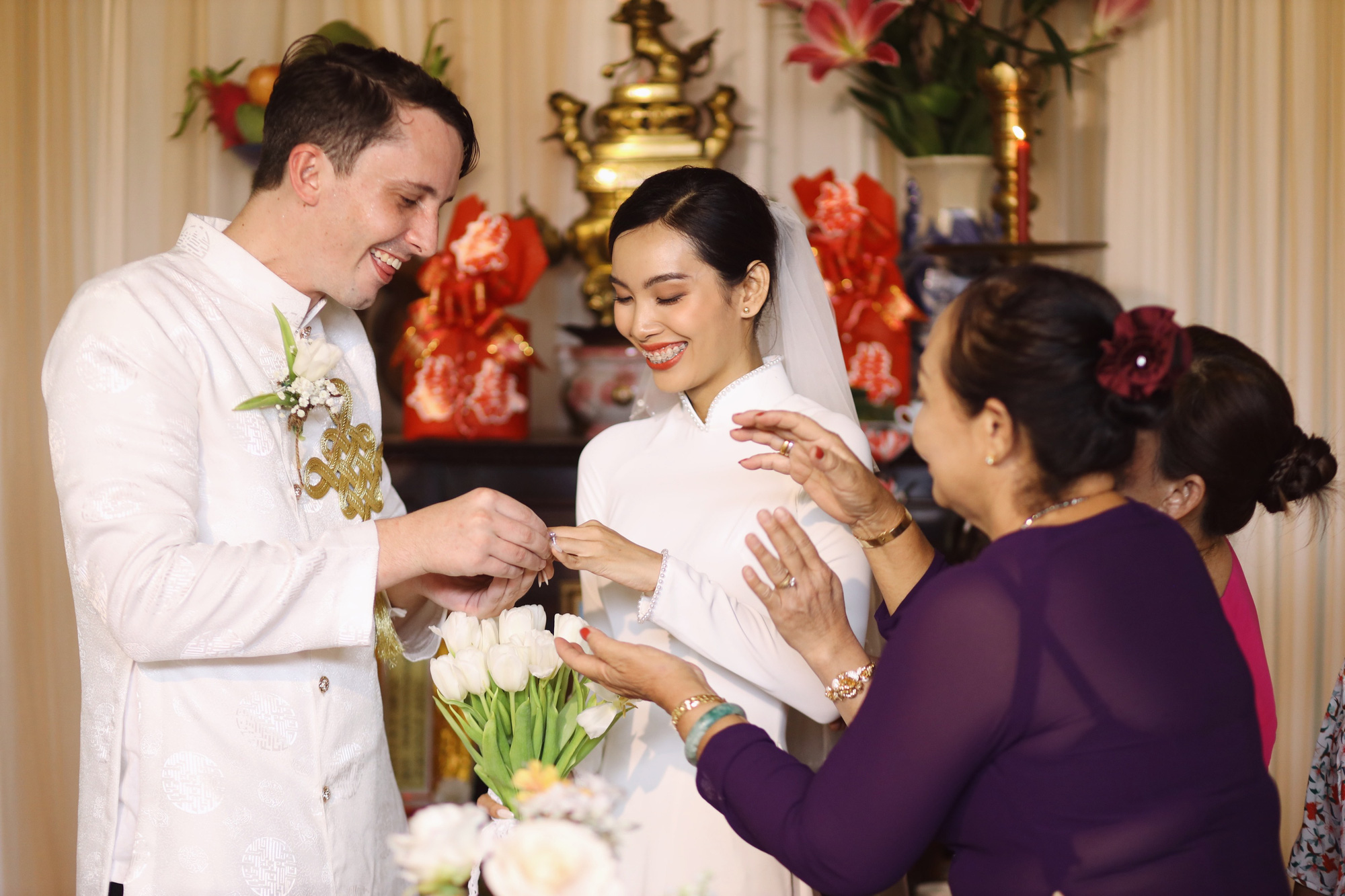
Multi-generational living: It was common to see grandparents, parents, children, and even aunts and uncles living together under one roof. This fostered strong bonds, with elders playing a pivotal role in guiding and imparting wisdom to younger generations.
Large families: The belief that “More children mean more wealth” or “Heaven gives life, Heaven gives sustenance” led families to have many children, sometimes 7-8 or even 10. Children were seen as assets, a source of labor, and a way for families to gain “status” in society.
Daughters-in-law’s position: Daughters-in-law traditionally held primary responsibility for household chores, childcare, and serving the husband’s family. For a daughter-in-law to live separately was often considered unconventional, or even disrespectful in many cases.
Community values prioritized: The interests of the collective, of the extended family, were paramount. Major family decisions were typically made by elders, and children were expected to comply.
Less emphasis on personal leisure: Life was closely tied to agricultural production, and leisure activities were generally simple, communal, or family-oriented, with little inclination towards personal travel or shopping as seen today.
NOTE: TO LEARN MORE ABOUT: TRADITIONAL FAMILY IN VIETNAM, PLEASE CLICK HERE
2. Modern Families: Independent and Self-Reliant
In contrast, modern families in Vietnam today are showing a clear shift, especially in major urban centers and areas experiencing rapid economic development:
Trend towards independent living: Young couples increasingly prefer to live independently, seeking financial autonomy and private space immediately after marriage. This grants them greater freedom in making life decisions and raising their children according to their own preferences, without as much pressure from older generations.
Fewer children: Financial pressures (costs of raising children, tuition fees, healthcare), demanding careers, and the desire for a higher quality of life for themselves and their children lead young families to typically have only 1-2 children, or a maximum of 3. This reflects a shift in mindset, prioritizing quality over quantity.
Daughters-in-law’s autonomy: Today’s women are highly educated, participate in the workforce, and have their own voices. The increasing desire not to live with the husband’s family is a manifestation of their autonomy in life, their psychological well-being, and their desire for their own space to build their nest. This also reflects increasing gender equality in society.
Work-life balance and leisure: After stressful and exhausting workdays, the need for relaxation and enjoyment of life among young families is growing. Travel (both domestic and international), shopping, and various leisure activities are becoming more popular. These are ways for them to recharge, strengthen bonds, and broaden personal experiences.
Horizontal bonding: Instead of solely focusing on vertical relationships (senior-junior) within the extended family, modern families place greater emphasis on horizontal relationships between spouses and between parents and children, forming a strong and loving core family unit.
Changing in Vietnamese Family
Note: To Explore the Four Sacred Creatures of Vietnam, Please Click Here!
3. Impact and Outlook
The transition from traditional to modern family structures brings numerous benefits, including increased personal freedom, enhanced quality of life, and greater gender equality. However, it also presents challenges such as reduced intergenerational cohesion, a lack of support from the extended family in childcare, or sometimes the heavy financial burden placed on young couples.
Overall, Vietnamese families today are evolving positively, adapting to contemporary changes while still preserving core values of affection and strong bonds. Whether living independently or communally, the family remains a cherished home and a steadfast support for each individual.