Vietnam’s Cultural Identity: Traditions & Evolution
17-06-2025
A video featuring Xòe Thái dance, one of Vietnam’s beautiful cultural traditions.
Discovering Vietnam’s Cultural Identity: Enduring Traditions and Contemporary Evolution
With a rich history spanning nearly 5,000 years, the Vietnamese people possess a profound cultural depth. The fusion of diverse cultural essences has forged Vietnam’s cultural identity, creating a rich tapestry woven from millennia of history, forged through countless ups and downs, trials and tribulations. It’s not merely a collection of inherited values but a continuously adapting and evolving current, creating a Vietnam that is both deeply traditional and vibrantly modern. From familiar symbols to underlying philosophies, this identity shapes the people and the nation, becoming an eternal source of pride.
SPECIAL OUTLINE:
The Foundational Pillars Shaping Vietnam’s Cultural Identity
Patriotism & Heroism: Underlies Vietnamese history, uniting the community with extraordinary collective strength.
Wet Rice Civilization: Shaped lifestyle, fostering diligence, endurance, and mutual support in communal living.
Family & Filial Piety: Multi-generational family is bedrock, with paramount respect for elders and strong emotional bonds.
Cultural Exchange & Adaptation: Absorbed and “Vietnamized” foreign influences without assimilation, enriching its own identity.
Beliefs & Village Community: Folk beliefs (ancestor, Mother Goddess worship) and the village (làng xã) as cultural microcosms.
Soulful Symbols of Vietnam’s Cultural Identity
Ao Dai: Timeless grace, symbolizing elegant beauty and a blend of tradition/modernity.
Vietnamese Cuisine: Globally renowned for freshness, balance, and unique flavors, each dish telling a regional story.
Traditional Arts: Forms like Quan Ho, Cheo, Tuong, Water Puppetry, Don Ca Tai Tu reflecting spiritual life and aspirations.
Architecture & Heritage: Ancient communal houses, pagodas, Imperial City, Hoi An as living pages of history.
National Flag:Red flag with yellow star paramount symbol of revolution, unity, patriotism, and sovereignty.
Festivals & Customs: Hundreds of festivals and customs (Tết, ancestor worship) as connecting threads strengthening community.
Vietnam’s Cultural Identity in the Context of Globalization and Integration
Opportunities: Global spread of culture via tourism, cuisine, art, and social media, with youth as dynamic ambassadors.
Challenges: Risks of traditional values fading from foreign cultural “invasion,” requiring balance and preservation efforts.
VIETNAM’S CULTURAL IDENTITY – FOUNDATIONS, SYMBOLS, AND GLOBAL ADAPTATION
NOW, LET’S UNLOCK THE RICH TAPESTRY OF VIETNAM’S CULTURAL IDENTITY, FROM ITS ANCIENT ROOTS TO ITS VIBRANT GLOBAL PRESENCE!
Vietnamese cultural identity, immense pride.
1. The Foundational Pillars Shaping Vietnam’s Cultural Identity
Vietnam’s cultural identity is built upon an interconnected “ecosystem” of elements, with several prominent pillars:
The Spirit of Patriotism and Revolutionary Heroism: This is the underlying current throughout Vietnamese history, from the legends of Lac Long Quan and Au Co to the great wars of resistance against foreign invaders. This spirit is demonstrated not only through sacrifices for independence and freedom but also through the indomitable will and persistent perseverance in overcoming all difficulties. Patriotism has become the bond that unites the community, creating extraordinary collective strength.
Wet Rice Civilization and Communal Living: As the initial socio-economic foundation, wet rice cultivation deeply shaped the Vietnamese way of life and mindset. Life closely tied to the paddy fields and nature fostered diligence and endurance, while also promoting the spirit of mutual support, where “good leaves cover torn leaves.” Village festivals and rural markets are not just places of commerce but also communal cultural spaces where traditional values are preserved and passed down.
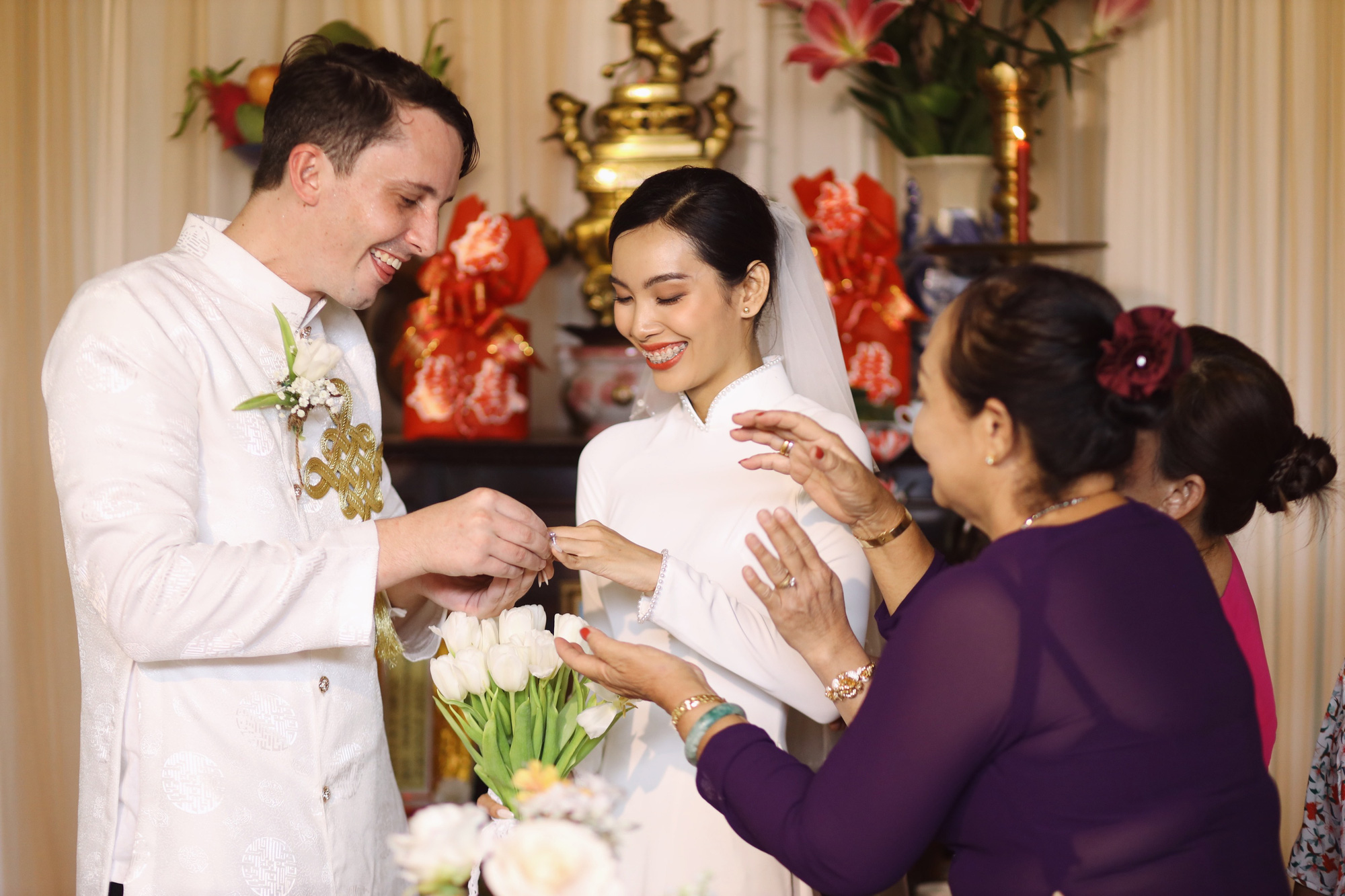
Respect for Family, Filial Piety, and Reverence for Elders: Unlike many other cultures, the nuclear family isn’t the sole focus; the multi-generational family is the bedrock of Vietnamese society. Family relationships are paramount, with filial piety being a fundamental moral standard. Respect for grandparents, parents, and elders is an immutable value, creating strong bonds and a characteristic “emphasis on sentiment.”
Cultural Exchange and Adaptation: Strategically located, Vietnam has been a melting pot for many major cultural influences from both the East (Chinese, Indian) and the West (French, American). However, with its “resistance” and refined ability to select, Vietnamese culture has not been assimilated. Instead, it has always known how to absorb, transform, and “Vietnamize” foreign elements to enrich its own identity. This is clearly evident in architecture, cuisine, language, and even thought processes.
The Role of Beliefs, Religions, and the Village Community (Làng Xã): Besides major religions like Buddhism and Catholicism, folk beliefs such as ancestor worship, Mother Goddess worship, and worship of the Village Guardian Spirit play a particularly important role in the spiritual life of the Vietnamese people. The village (làng xã) is not merely an administrative unit but a cultural “microcosm,” where all religious activities, customs, and social relations are maintained according to village conventions and rules.
NOTE: =) YOU CAN ALSO COMPARE THE CULTURAL DIFFERENCES BETWEEN VIETNAM AND CHINA, PLEASE CLICK HERE
2. Soulful Symbols of Vietnam’s Cultural Identity
Vietnamese identity comes vibrantly to life through its familiar and proud symbols:
Ao Dai – Timeless Grace: More than just an outfit, the Ao Dai is a symbol of the elegant, graceful beauty and gentleness of Vietnamese women. It’s a delicate blend of tradition and modernity, appearing at festivals, important events, and in daily life, increasingly admired by international friends.
Vietnamese Cuisine – The Flavor of Land and People: Vietnamese cuisine is an art form, globally renowned for its freshness, nutritional balance, and unique flavors. From the famous Pho, fragrant Bun Cha, crispy Nem Ran (fried spring rolls), to the popular street Banh Mi, each dish tells a story of its region, the chef’s skill, and the harmony of yin-yang elements.
Traditional Arts – The Nation’s Voice: Folk art forms like Quan Ho folk singing from Bac Ninh, Cheo (traditional opera), Tuong (classical drama) with their ancient narratives, unique Water Puppetry on a water stage, or Don Ca Tai Tu (Southern amateur music) are invaluable heritages. They not only entertain but also deeply reflect the spiritual life, dreams, and aspirations of the Vietnamese people across generations.
Architecture and Heritage – Timeless Imprints: From the curved roofs of ancient communal houses and pagodas bearing the strong imprint of Buddhism and folk beliefs (like One Pillar Pagoda, Huong Pagoda, Dinh Bang Communal House), to the intricate royal architecture of Hue Imperial City or the serene Hoi An Ancient Town, each architectural work is a living page of history, narrating the talent and stature of our ancestors.
The red flag with a yellow star, Vietnam’s National Flag, stands as a paramount symbol of the nation’s modern identity. Its vibrant red field represents the revolution and the sacrifices made for independence, while the golden five-pointed star symbolizes the unity of the people—intellectuals, farmers, workers, entrepreneurs, and soldiers. More than just a banner, it embodies the profound patriotism, resilience, and sovereignty of the Vietnamese people, evoking immense pride and national spirit.
Festivals and Customs – Connecting Threads: Hundreds of large and small festivals held throughout the country, such as the Hung Kings’ Temple Festival, Lim Festival, and Go Dong Da Festival, are important occasions for people to express their reverence, pray for good fortune, and strengthen community bonds. Customs like ancestor worship, the historical practice of betel chewing and teeth blackening (in the past), or the Lunar New Year (Tet) are distinct cultural features that create Vietnam’s unique identity.
One of the National Symbols of Vietnam
Note: To discover the value of traditional families in Vietnam, Please click here!
3. Vietnam’s Cultural Identity in the Context of Globalization and Integration
In an era of deep international integration and technological advancement, Vietnam’s cultural identity faces unprecedented opportunities and challenges.
Opportunities: Globalization allows Vietnamese culture to spread more powerfully worldwide through tourism, cuisine, art, and social media. Today’s young generation, with their creativity and access to information, are dynamic cultural “ambassadors,” transforming traditional values into new and exciting products and trends that attract international attention.
Challenges: Alongside these opportunities are the challenges of preserving and promoting identity while confronting the “invasion” of foreign cultures. The risk of traditional values fading and folk art forms being forgotten is a concern that needs attention. Balancing the absorption of global essences with the preservation of core values is a complex equation requiring effort from the state, the community, and every individual.
Vietnam’s cultural identity is not a static concept but a living entity, constantly evolving and enriching itself. It is the pride of every Vietnamese person, an inherent strength that helps the nation steadily advance on its development path, and a precious gem that attracts exploration from all corners of the world.