Vietnamese Rice: The Backbone of National Strength
17-06-2025
A video assessing Vietnamese rice as being among the world’s top quality, representing the strength of Vietnam’s food supply and a symbol of stability and development.
Vietnamese Rice: The Backbone of National Strength and a Solid Foundation for a Thriving Nation
Vietnam stands proudly as a global rice powerhouse. For decades, we’ve consistently ranked among the top 3 to 10 rice exporters worldwide, becoming a vital pillar of global food security. Rice isn’t just essential sustenance; it plays a critical role, especially as many developed nations now face high risks of food shortages. Historically, in times of conflict, food supplies were the trump card, solving famine and social crises, perfectly embodying the Vietnamese saying, “Strong in rice, bold in money.” With a population nearing 100 million, our favorable climate and rich soil empower Vietnamese farmers to cultivate high-yielding rice varieties. This abundance not only feeds our nation but also brings in substantial foreign currency, significantly boosting our country’s development.
SPECIAL OUTLINE:
Impressive Production and Economic Value
Annual Output: Consistent high production, yielding 27-28 million tons of milled rice annually.
Export Dominance: A top global exporter, with record earnings in 2023 and strong growth in 2024.
Economic Contribution: Significant foreign exchange earnings bolstering national development.
Key Markets and Famous Rice Varieties
Global Reach: Exports to over 150 countries across Asia, Africa, Europe, and the Americas.
Renowned Varieties: Highlights ST25 Rice (World’s Best Rice), Jasmine 85, OM5451, OM18, Brown, and Glutinous rice.
Rice: A Cornerstone of Global Food Security
Staple Food: Indispensable primary calorie source for billions, especially in Asia.
Livelihoods & Poverty Alleviation: Main income source for millions, crucial for poverty reduction.
Global Commodity & Resilience: Influences international prices and shows adaptability to diverse environments.
Innovation & Future Challenges: Ongoing research to ensure sustainable production and meet growing demand.
NOW! LET’S DELVE INTO THE PROFOUND IMPORTANCE OF VIETNAMESE RICE, A SYMBOL OF NATIONAL STRENGTH AND GLOBAL FOOD SECURITY!
Vietnamese Rice – Symbol of Vietnam
IF YOU REALLY LOVE THE BEAUTY OF RICE FIELDS, PLEASE CLICK HERE
1. Impressive Production and Economic Value
Vietnam’s rice industry boasts impressive annual figures:
Annual Rice Production: Vietnam consistently produces over 43 million tons of paddy rice each year. With a milling ratio of roughly 60-65%, this translates to around 27-28 million tons of milled rice annually.
Annual Rice Exports: We are one of the world’s largest rice exporters, typically shipping 6 to 8 million tons each year. Notably, in 2023, Vietnam exported an impressive 8.13 million tons of rice, generating $4.7 billion USD – our highest value ever. This strong growth continues into the first half of 2024, with export revenues reaching approximately $2.6 billion USD, a nearly 39% increase compared to the same period in 2023.
Foreign Currency Earnings: Rice is one of Vietnam’s key agricultural products, bringing in significant foreign exchange. This greatly contributes to our trade balance and national foreign exchange reserves.
Note: Vietnam is the second biggest coffee exporter of the world, to explore it, please click here!
2. Key Markets and Famous Rice Varieties
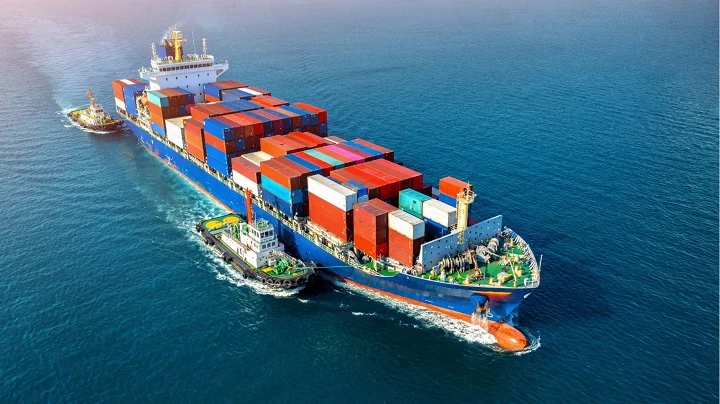
Vietnamese Rice Suplying to Many Countries
Vietnamese rice has reached over 150 countries and territories, solidifying its quality and reputation in the international market.
Main Export Markets:
Asia: The Philippines, Indonesia, Malaysia, and China are among our largest rice importers.
Africa: Ghana, Ivory Coast, Senegal, and others are important and promising markets.
Europe: Thanks to the EVFTA, Vietnamese rice, especially fragrant varieties, has a great opportunity to penetrate deeper into the EU market.
Americas: Markets like the U.S. and Canada also account for certain import volumes.
Rice Cultivation in Vietnam
Famous Rice Varieties: Vietnam is renowned for many high-quality rice varieties that meet diverse consumer needs:
ST25 Rice: Crowned “World’s Best Rice” in 2019 and a top contender in subsequent years. Its long, slender, translucent grains yield soft, chewy rice with a delightful pandan and young sticky rice aroma. It’s truly the pride of Vietnam’s rice industry.
Jasmine 85 Rice: A popular fragrant variety with long grains, soft, moderately sticky rice, and a gentle aroma, widely favored in many markets.
OM5451, OM18: High-quality, high-yield rice varieties commonly used for both domestic consumption and export.
Brown Rice: Whole grain rice, rich in nutrients, aligning with healthy eating trends.
Glutinous Rice (Sticky Rice): Used for preparing traditional dishes and sweets in many countries.
Vietnamese Rice – ST25 – The Best World’Rice in 2023
More than just food, rice symbolizes Vietnam’s agricultural prowess. It’s the backbone of our national strength and a solid foundation for our nation to continue its powerful rise in the era of global integration.
Note: To unlock the strength of Vietnam’s Ground Forces, please click here!
3. Rice: A Cornerstone of Global Food Security
Rice is paramount to global food security, serving as the staple food for over half the world’s population, particularly in Asia and parts of Africa, and providing essential calories and nutrients. Its widespread cultivation supports millions of livelihoods and acts as a critical buffer against hunger and malnutrition, making its stable production and accessibility vital for preventing crises.
Key Aspects of Rice’s Role in Food Security:
Primary Calorie Source: For billions, especially in Asia, rice provides the majority of daily caloric intake, making it indispensable for sustenance.
Livelihoods and Poverty Alleviation: Rice farming is the main source of income for over 100 million households, primarily smallholder farmers in developing countries. Stable rice production directly contributes to poverty reduction and economic stability in these regions.
Global Commodity: As a highly traded agricultural commodity, the global rice market significantly influences international food prices and the economic stability of both exporting and importing nations. Disruptions in supply can have far-reaching impacts.
Adaptability and Resilience: Rice can be cultivated in diverse environments, from irrigated paddies to rain-fed uplands, making it a relatively resilient crop, though it remains vulnerable to climate change impacts like droughts and floods.
Nutritional Value: Beyond carbohydrates, rice, especially brown rice, provides essential vitamins and minerals, contributing to overall health and preventing micronutrient deficiencies.
Research and Innovation: Organizations like the International Rice Research Institute (IRRI) continually work on developing higher-yielding, more resilient, and nutritionally enhanced rice varieties, as well as sustainable farming practices (like System of Rice Intensification – SRI) to ensure future food security amidst population growth and climate challenges.
The ongoing challenge for global food security involves not only increasing rice production sustainably but also ensuring equitable access and stable prices to meet the growing demand of a rising world population.
Boiled Rice – Very importan dish in Vietnamese Meals