- TRAVEL PACKAGES
- CUSTOMIZED TRIPS
- TOP TOURS
- Daily Tours
- PRACTICAL TRAVEL INFO
- DISCOVER VIETNAM
- PARTNER WITH US
18-06-2025
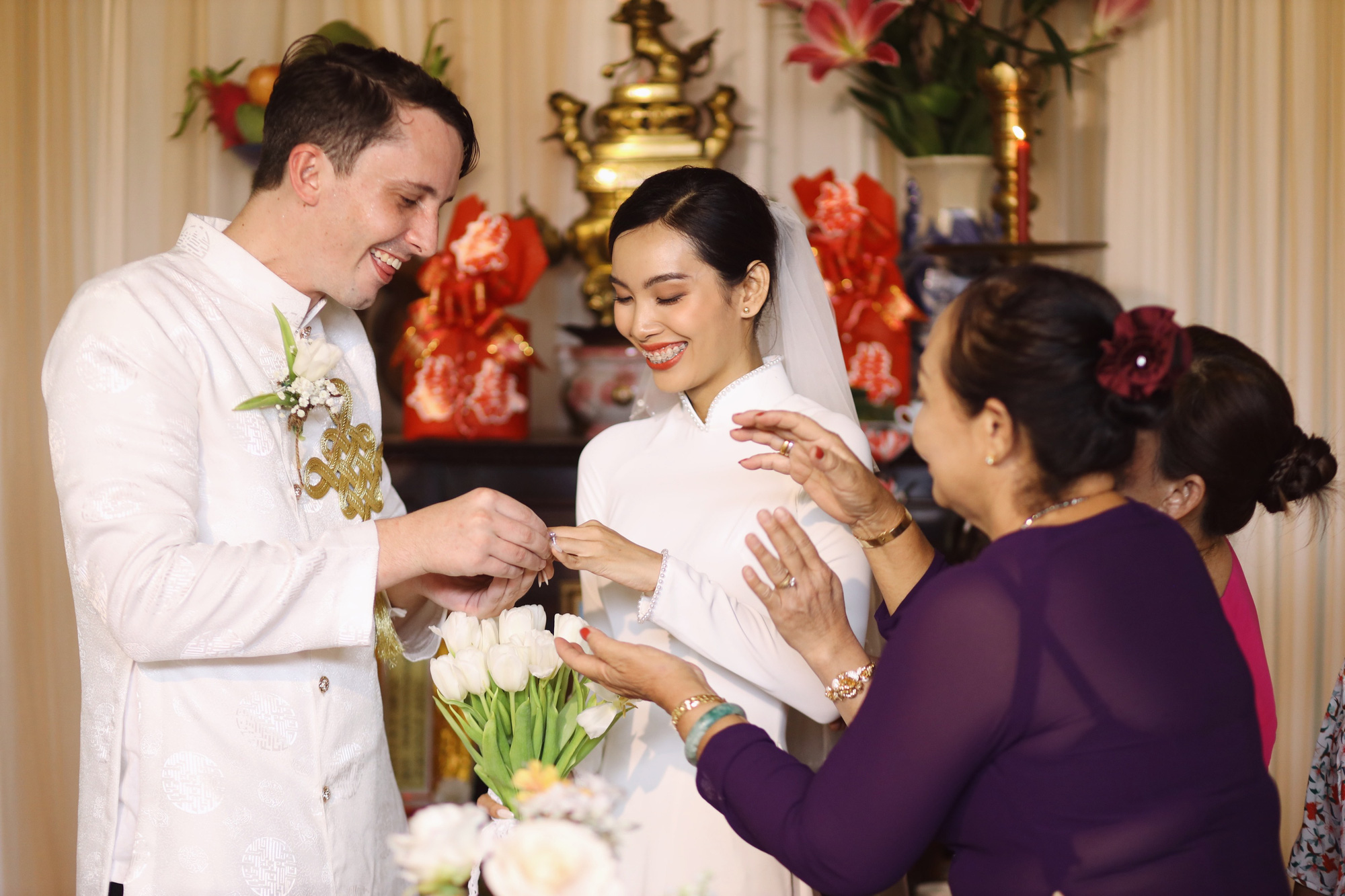
The Ao Dai, with its graceful silhouette and elegant lines, is more than just a garment; it’s a profound symbol of Vietnamese national identity and the timeless beauty of its people. This flowing tunic, often paired with wide-legged trousers, embodies centuries of cultural evolution, reflecting the nation’s history, artistic sensibilities, and enduring spirit. From its humble origins to its modern-day adaptations, the Ao Dai continues to captivate, serving as a powerful emblem of Vietnamese heritage on the global stage.

The story of the Ao Dai is as rich and intricate as the silk it’s often made from. While its modern form is relatively recent, its roots stretch back to ancient Vietnamese attire. Early precursors include the “áo giao lĩnh”, a cross-collared robe worn in the 15th century, resembling a four-panelled dress that was loose and open at the front, worn over a skirt. This was a common style in East Asia at the time.
A significant turning point arrived in the 18th century during the reign of Lord Nguyễn Phúc Khoát in the southern part of Vietnam (Đàng Trong). To distinguish his people from those in the North (Đàng Ngoài), he decreed a new dress code for both men and women. This included a top that buttoned down the front, an outer gown with slits up the sides, and trousers. This was a crucial step towards the modern Ao Dai, emphasizing the need for a distinct national dress. While not yet the form we recognize today, it laid the foundational principles of a long tunic worn with trousers. This era saw the emergence of a more tailored and less voluminous garment, reflecting a move towards practicality and a unique regional identity.

The Ao Dai underwent significant transformations throughout the 20th century, adapting to changing social norms, political landscapes, and artistic influences.
In the early 20th century, particularly in the 1920s and 1930s, the Ao Dai began to take on a more refined and streamlined appearance. Artists and designers played a pivotal role in this evolution. One of the most influential figures was Nguyễn Cát Tường, also known as Le Mur, who in 1930 introduced a redesigned Ao Dai that was more fitted, with a raised collar and a more pronounced bust and waist. This “Le Mur Ao Dai” was a sensation, blending traditional elements with French fashion sensibilities. It featured closer-fitting bodices and more dramatic cuts, appealing to the modern Vietnamese woman.
Another key innovator was Lê Phổ, a painter who, while respecting the traditional elements, softened the rigid lines of Le Mur’s design, making the Ao Dai more flowing and feminine. He moved the button line from the front to the side, creating a more seamless look. These modifications created a garment that was both elegant and comfortable, suitable for daily wear.
The mid-20th century saw further variations. During the 1950s, the “Ao Dai with a raglan sleeve” (raglan tay) became popular, with the sleeves sewn diagonally from the collar to the armpit, giving the wearer a more comfortable fit and a smoother line. This era also marked the rise of the Ao Dai as a symbol of sophisticated urban life, particularly in Saigon. It was worn by students, teachers, and professionals, becoming synonymous with grace and intellect.

The way the Ao Dai has been worn and perceived has changed dramatically over time, reflecting Vietnam’s journey through war, peace, and globalization.
The Past: A Garment for Every Occasion
In the past, especially before the mid-20th century, the Ao Dai was a versatile garment worn by Vietnamese women of all social strata and for various occasions. It wasn’t solely reserved for formal events. Women wore it for daily activities, to the market, for studying, and for social gatherings.

Note: If you a fan of Nature, let click here to know top 10 best waterfalls in Vietnam
The Present: Cherished Tradition and Modern Expression
Today, while not as prevalent for daily wear as it once was, the Ao Dai remains deeply ingrained in Vietnamese culture. Its role has shifted, but its significance has only grown.
The Ao Dai’s enduring appeal lies in its ability to simultaneously embody tradition and embrace modernity. It drapes elegantly, flattering the female form while maintaining a sense of modesty and grace. Its unique blend of simplicity and sophistication makes it a timeless masterpiece of traditional Vietnamese fashion, truly a “soft power” ambassador for the nation.

The Ao Dai is more than just a piece of clothing; it is a living tapestry woven from the threads of Vietnamese history, culture, and artistry. From its ancient origins to its modern-day prominence, it has adapted, evolved, and consistently remained a powerful symbol of grace, resilience, and national pride. Its delicate flow and elegant lines continue to define the quintessential image of Vietnamese beauty, enchanting all who behold it. The Ao Dai is not merely worn; it is embodied, carrying with it centuries of stories and an unwavering spirit.

#AoDai #VietnameseCulture #TraditionalDress #VietnamFashion #BeautyOfVietnam #CulturalHeritage #FashionHistory #Elegance #NationalPride #VietnameseStyle
Note: We offer the Best Package in Hanoi Old Quarter, Hanoi Cultural Discovery Tour, to learn more about it, please click here!
Latest news

PRACTICAL TRAVEL INFO
15/07/2025Tipping in Vietnam: A Friendly Guide
A young man shares practical advice on tipping etiquette in Vietnam’s tourism industry. Tipping in Vietnam: A Friendly Guide for Travelers For many travelers, especially those coming from cultures where tipping is customary, the practice of leaving a little extra for good service is second […]

PRACTICAL TRAVEL INFO
15/07/2025Shipping Souvenirs Home from Vietnam: A Complete Guide
Video featuring the process of delivering all products from Vietnam abroad Shipping Large Souvenirs From Vietnam: A Guide For Tourists Many tourists visiting Vietnam fall in love with the country’s exquisite and often sizable souvenirs, such as marble statues, jade carvings, ceramic vases, and large paintings. […]
PRACTICAL TRAVEL INFO
15/07/2025How to Adopt a Child from Vietnam: A-Z Guide
Video sharing lovely photos of one child- adopt from Vietnam. Giving A Loving Home: A Guide To Adopting A Child From Vietnam For Foreigners For many compassionate individuals and families abroad with stable financial resources, the desire to open their hearts and homes to a […]