
- TRAVEL PACKAGES
- CUSTOMIZED TRIPS
- TOP TOURS
- Daily Tours
- PRACTICAL TRAVEL INFO
- DISCOVER VIETNAM
- PARTNER WITH US
20-06-2025
In Vietnam, gatherings of family and friends are often accompanied by the distinct flavors of traditional country wines. Corn wine (rượu ngô), rice wine (rượu gạo), and cassava wine (rượu sắn) have been integral to Vietnamese culture for generations. Historically, many families, especially those in the mountainous regions and ethnic minority communities, relied on natural forest yeast (men lá ngoài tự nhiên) or prepared traditional yeast cakes to ferment their locally sourced corn and rice before distillation.
The quality of these homemade spirits is a testament to the distiller’s skill. Factors such as the brewer’s experience, the selection of premium grains, the precise yeast incubation and fermentation processes, and the quality of the distillation equipment are all critical. Inexperienced individuals may find their brews turning out sour, weak, or lacking the desired aromatic complexity.

Beyond the common rượu ngô, rượu gạo, and rượu sắn, Vietnam also boasts a rich diversity of traditional wines unique to various ethnic minorities, each carrying its own distinct flavor and story:

Note: To unlock the Art of Vietnamese Ceramic & Pottery, please click here!
While the prominence of traditional Vietnamese wine has waned somewhat in larger urban centers due to the availability of diverse beverages and stricter drink-driving laws, it continues to hold significant cultural importance in rural mountain villages.

Note: To unlock the Heart of the Lunar New year in Vietnam, please click here!
Explore the rich heritage and unique flavors of traditional Vietnamese country wine – a true taste of Vietnam’s cultural identity. It’s more than just a drink; it’s a piece of the nation’s soul, intertwined with daily life, festivals, and the customs of each region.

Note: To explore the historical relics in Vietnam, please click here!
Vietnamese traditional wine, far more than just a drink, is a profound expression of the nation’s rich cultural tapestry. It’s a flavorful companion to joyous family gatherings, an indispensable element in sacred ancestral rituals, and a vibrant symbol of unity and camaraderie during festivals across the country. These unique spirits, whether the communal rượu cần or the robust rượu ngô, beautifully encapsulate local heritage and the warmth of Vietnamese hospitality.
However, as with any potent delight, mindful consumption is key. While celebrating the deep cultural significance and delicious taste of these traditional wines, it’s crucial to remember that moderation is paramount. Overindulgence can pose serious risks to personal health and, critically, jeopardize road safety. Enjoy Vietnam’s treasured liquid heritage responsibly, savoring its essence without compromising your well-being or the safety of others.
#VietnameseTraditionalWine #VietnameseWineCulture #RiceWineVietnam #CornWineVietnam #CassavaWineVietnam #RuouCan #EthnicMinorityWine #VietnameseCuisine #TraditionalFestivals #SpecialtyDrinks #CulinaryHeritage #VietnamCulture #TravelVietnam #CulturalHeritage #HomebrewedWine #MountainousVietnam
Note: To discover the list of Top 10 most beautiful beaches in Vietnam, please click here!
Latest news

PRACTICAL TRAVEL INFO
15/07/2025Tipping in Vietnam: A Friendly Guide
A young man shares practical advice on tipping etiquette in Vietnam’s tourism industry. Tipping in Vietnam: A Friendly Guide for Travelers For many travelers, especially those coming from cultures where tipping is customary, the practice of leaving a little extra for good service is second […]

PRACTICAL TRAVEL INFO
15/07/2025Shipping Souvenirs Home from Vietnam: A Complete Guide
Video featuring the process of delivering all products from Vietnam abroad Shipping Large Souvenirs From Vietnam: A Guide For Tourists Many tourists visiting Vietnam fall in love with the country’s exquisite and often sizable souvenirs, such as marble statues, jade carvings, ceramic vases, and large paintings. […]
PRACTICAL TRAVEL INFO
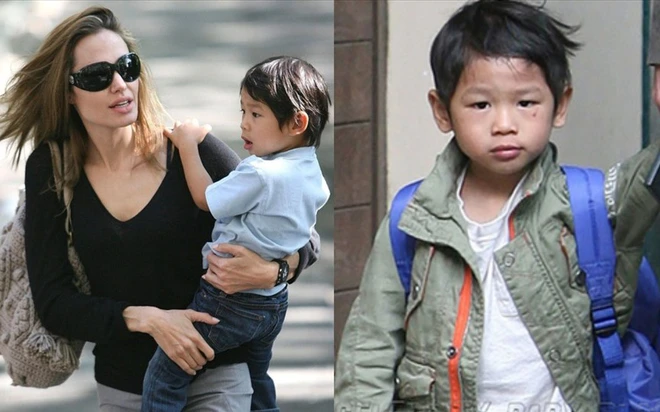
15/07/2025How to Adopt a Child from Vietnam: A-Z Guide
Video sharing lovely photos of one child- adopt from Vietnam. Giving A Loving Home: A Guide To Adopting A Child From Vietnam For Foreigners For many compassionate individuals and families abroad with stable financial resources, the desire to open their hearts and homes to a […]