- TRAVEL PACKAGES
- CUSTOMIZED TRIPS
- TOP TOURS
- Daily Tours
- PRACTICAL TRAVEL INFO
- DISCOVER VIETNAM
- PARTNER WITH US
13-06-2025
Deep in the ancestral land of Phú Thọ Province, the cradle of Vietnamese civilization, lies a profound and ancient musical art form known as Hát Xoan. More than just songs, Hát Xoan is a unique genre of ritual singing that intertwines music, dance, and poetry, passed down through generations. Its deep roots in the worship of the Hùng Kings and communal life make it a living treasure, recognized by UNESCO in 2011 as an Intangible Cultural Heritage of Humanity in Need of Urgent Safeguarding (and later transferred to the Representative List in 2017, acknowledging successful revitalization efforts).
SPECIAL OUTLINE
Get an immediate grasp of our article’s core and structure through these key highlights:
Now, let’s explore the captivating world and enduring legacy of Phú Thọ Xoan Singing – a living treasure of Vietnamese culture!
Hát Xoan is believed to have originated over 2,000 years ago during the era of the Hùng Kings, Vietnam’s mythical founders. It was traditionally performed in communal houses (đình), temples (miếu), and sacred sites during the spring festival season, especially around the annual Hùng Kings’ Commemoration Day. The performances served multiple purposes: expressing wishes for good harvests, health, good fortune, and honoring the community’s ancestors and tutelary gods.
The art form is performed by “phường Xoan” (Xoan troupes), typically comprising male lead singers (kép) and female dancers/singers (đào). These troupes are often formed by people from the same village or extended family, reinforcing the strong communal aspect of Hát Xoan. The ông Trùm (troupe leader) is a highly respected figure, responsible for preserving the tradition and teaching new generations.

A Hát Xoan performance is meticulously structured, unfolding through a series of distinct parts:
The music of Hát Xoan is primarily vocal, accompanied by a small ensemble of percussion instruments, most notably the drum and clappers (phách tre – bamboo clappers). The simplicity of the instrumentation allows the intricate vocal melodies and rhythmic precision to take center stage, creating a hauntingly beautiful and evocative soundscape.

In the late 20th century, Hát Xoan faced the risk of extinction due to various social and economic changes. However, intense dedication from remaining artists, local communities, and the Vietnamese government, especially after the UNESCO recognition, sparked a remarkable revival. Efforts focused on:
These initiatives have been incredibly successful, breathing new life into Hát Xoan and ensuring its continuity for future generations.
To truly appreciate the authenticity and spiritual depth of Hát Xoan, visiting its birthplace in Phú Thọ Province is ideal. You can often witness performances in the communal houses of the four ancient Xoan villages (Tứ Xã phường Xoan) that form the heart of this tradition:
Many tours, particularly those around the Hùng Kings’ Commemoration Day (Giỗ Tổ Hùng Vương) in the third lunar month, include opportunities to experience Hát Xoan. These performances offer a unique and immersive cultural experience, allowing you to connect with the very essence of Vietnamese heritage.
#HátXoan #XoanSinging #PhuTho #VietnameseCulture #UNESCOHeritage #TraditionalMusic #VietnamTravel #CulturalHeritage #AncestralLand #HùngKings #FolkMusic #ExploreVietnam #RitualSinging
Latest news
PRACTICAL TRAVEL INFO
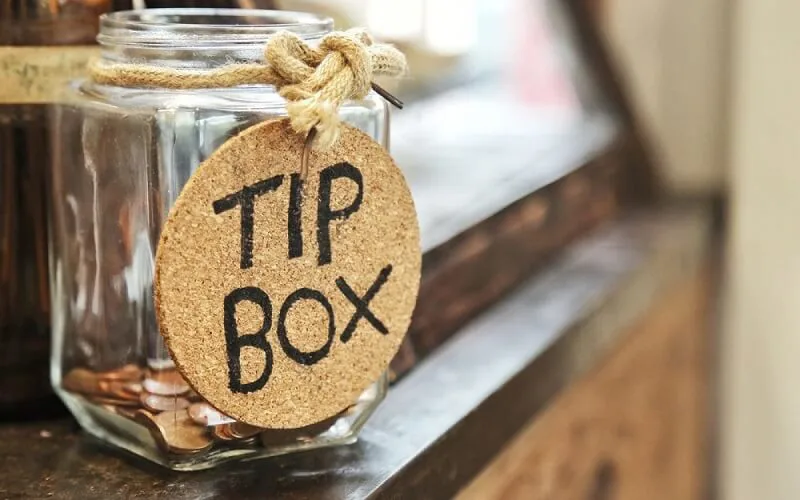
15/07/2025Tipping in Vietnam: A Friendly Guide
A young man shares practical advice on tipping etiquette in Vietnam’s tourism industry. Tipping in Vietnam: A Friendly Guide for Travelers For many travelers, especially those coming from cultures where tipping is customary, the practice of leaving a little extra for good service is second […]

PRACTICAL TRAVEL INFO
15/07/2025Shipping Souvenirs Home from Vietnam: A Complete Guide
Video featuring the process of delivering all products from Vietnam abroad Shipping Large Souvenirs From Vietnam: A Guide For Tourists Many tourists visiting Vietnam fall in love with the country’s exquisite and often sizable souvenirs, such as marble statues, jade carvings, ceramic vases, and large paintings. […]
PRACTICAL TRAVEL INFO
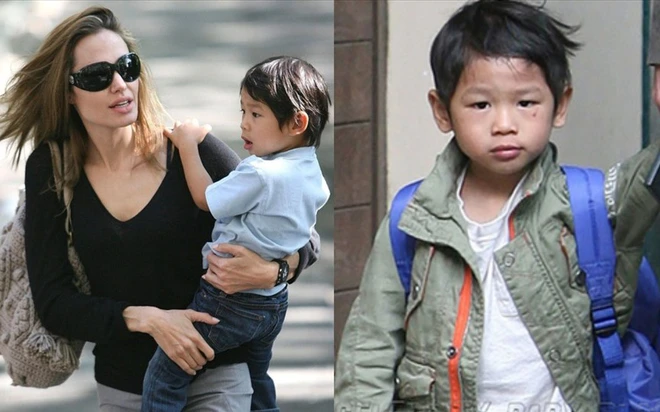
15/07/2025How to Adopt a Child from Vietnam: A-Z Guide
Video sharing lovely photos of one child- adopt from Vietnam. Giving A Loving Home: A Guide To Adopting A Child From Vietnam For Foreigners For many compassionate individuals and families abroad with stable financial resources, the desire to open their hearts and homes to a […]