
- TRAVEL PACKAGES
- CUSTOMIZED TRIPS
- TOP TOURS
- Daily Tours
- PRACTICAL TRAVEL INFO
- DISCOVER VIETNAM
- PARTNER WITH US
17-06-2025
Pepper, with its pungent kick and distinctive aroma, is more than just a common spice in our daily meals; it’s an indispensable ingredient in gourmet restaurants across the globe. For Vietnam, pepper is a national pride, a key agricultural product that solidifies our country’s standing in the international market.

Vietnam proudly holds the number one spot globally for pepper production. For many years, we’ve consistently led not only in output but also in export value. Vietnamese pepper accounts for about 35-40% of the world’s total production, and astonishingly, we contribute nearly 55-60% of the total global pepper export revenue. This makes Vietnam an essential player in the global pepper supply chain, ensuring this fiery flavor is always available on billions of dining tables.
Vietnam’s key pepper-growing regions are primarily in the Central Highlands and Southeast, with Dak Nong and Dak Lak serving as the two largest pepper capitals, making up the bulk of the country’s output. While pepper cultivation areas have seen a slight decrease in recent years as farmers shift to more profitable crops, our high average yield — double the global average — is maintained thanks to advanced farming techniques.
For 2024, the Vietnam Pepper and Spice Association (VPSA) estimates Vietnam’s pepper output will reach approximately 170,000 tons, a 10% decrease from 2023. Despite these fluctuations, Vietnam remains the world’s leading producer and exporter.

Pepper is classified based on its processing method and ripeness, creating distinct flavors and uses:

Pepper prices fluctuate regularly based on market supply and demand, seasonality, and product quality. Here are some indicative prices:
Vietnamese pepper is conquering even the most demanding markets worldwide. From small family kitchens in Europe and America to luxurious fine-dining establishments in Asia, the pungent, aromatic taste of Vietnamese pepper is ever-present. The diversity in varieties—from whole black peppercorns for fresh grinding, white pepper for light-colored dishes, to pickled green pepper or fully ripe red pepper—caters to every culinary need and preference.
Pepper is more than just an agricultural export; it’s a cultural ambassador for Vietnam reaching out to the world. Each peppercorn embodies the essence of our land, climate, and the dedication of Vietnamese farmers, carrying its unique flavor to enrich the meals and culinary experiences of millions across the globe.
#VietnamesePepper #PepperExport #VietnamAgriculture #GlobalLeader #SpicesOfVietnam #BlackPepper #WhitePepper #PepperPrices #MadeInVietnam
Note: How to Spot & avoid tourist Scams, please click here!
Latest news
PRACTICAL TRAVEL INFO
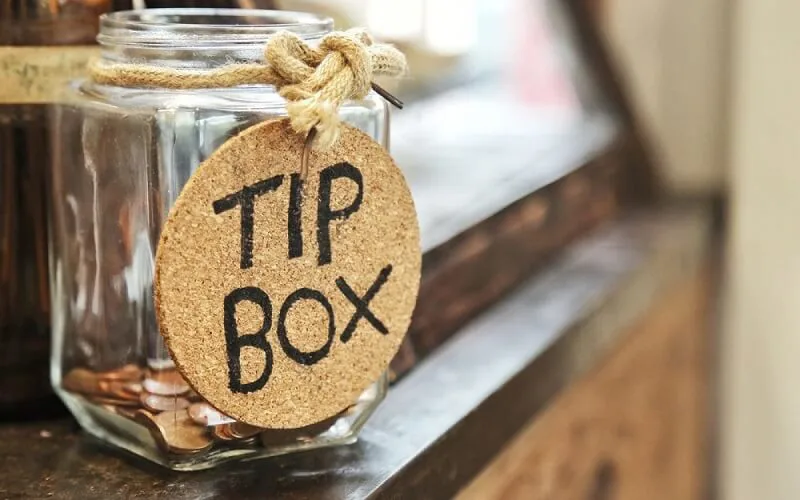
15/07/2025Tipping in Vietnam: A Friendly Guide
A young man shares practical advice on tipping etiquette in Vietnam’s tourism industry. Tipping in Vietnam: A Friendly Guide for Travelers For many travelers, especially those coming from cultures where tipping is customary, the practice of leaving a little extra for good service is second […]
PRACTICAL TRAVEL INFO
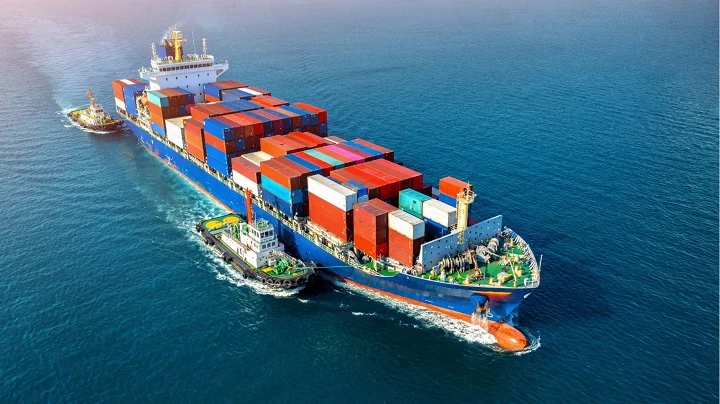
15/07/2025Shipping Souvenirs Home from Vietnam: A Complete Guide
Video featuring the process of delivering all products from Vietnam abroad Shipping Large Souvenirs From Vietnam: A Guide For Tourists Many tourists visiting Vietnam fall in love with the country’s exquisite and often sizable souvenirs, such as marble statues, jade carvings, ceramic vases, and large paintings. […]

PRACTICAL TRAVEL INFO
15/07/2025How to Adopt a Child from Vietnam: A-Z Guide
Video sharing lovely photos of one child- adopt from Vietnam. Giving A Loving Home: A Guide To Adopting A Child From Vietnam For Foreigners For many compassionate individuals and families abroad with stable financial resources, the desire to open their hearts and homes to a […]