Guide to Volunteering, Charity & Religious duty in Vietnam
14-07-2025
A video introducing a charity organization’s specific activities, aiming to bridge social gaps and enhance the value of life.
Volunteering, Charity, and Religious Activities in Vietnam: A Guide for Foreigners
Vietnam generally appreciates and encourages positive contributions from international visitors. However, activities like teaching, environmental work, infrastructure projects, and religious propagation are subject to specific regulations and often require permission from relevant Vietnamese government agencies.
SPECIAL OUTLINE
Overview: Vietnam welcomes contributions but has strict regulations.
Volunteer & Environmental Work: Requires collaboration and permission.
Funding & Infrastructure: Needs formal channels and legal compliance.
Religious Propagation: Highly complex; best to exercise caution or avoid.
General Advice: Research thoroughly, be patient, and respect laws.
Tourism Company Role: Facilitates connections and simplifies procedures.
Relevant Agencies & NGOs: Key contacts for support.
NAVIGATE VIETNAM’S REGULATIONS FOR MEANINGFUL VOLUNTEER, CHARITY, AND RELIGIOUS ACTIVITIES.
Now! Let’s unlock the detailed program
I. Key Considerations and Recommendations
Volunteer and Environmental Programs
Permission is generally required: Organizing and conducting activities like free English classes, environmental cleanups, and awareness campaigns often necessitate collaboration with local organizations (NGOs, schools, community groups) and approval from relevant authorities at the local (provincial/city) level.
Establish partnerships: It’s highly advisable to connect with established Vietnamese non-governmental organizations (NGOs) or local community groups that are already active in these areas. They’ll have a better understanding of local needs, regulations, and how to obtain necessary permissions.
Transparency and registration: Any organized program may need to be registered with the local authorities to ensure transparency and compliance with Vietnamese law.
Focus on collaboration: Frame your intentions as a desire to collaborate with and support existing local efforts, rather than independently organizing large-scale initiatives without local partnerships.
Funding and Building Infrastructure Projects
Formal channels are necessary: Providing financial aid for building schools, hospitals, roads, and sanitation facilities typically requires working through established channels, such as:
Vietnamese NGOs: Reputable NGOs often have established procedures for receiving and managing foreign donations for specific projects.
Government agencies: Direct collaboration with relevant government departments (e.g., Ministry of Education and Training, Ministry of Health, local People’s Committees) might be necessary for larger infrastructure projects.
International organizations: Organizations like the UN or other international development agencies operating in Vietnam can also facilitate such projects.
Memorandums of Understanding (MOUs): Formal agreements outlining the project scope, funding, and implementation responsibilities are usually required.
Legal and financial compliance: All financial transactions and project implementation must comply with Vietnamese laws and regulations regarding foreign aid and investment.
Religious Propagation (Proselytizing)
Best to avoid direct participation: While Vietnamese law doesn’t entirely prohibit proselytizing, this area is highly complex and subject to very strict management. Therefore, it’s best for foreigners not to engage in religious propagation activities.
Subject to restrictions: While Vietnam ensures freedom of belief and religion, the propagation of religious beliefs to those who don’t adhere to them is regulated.
Religious organizations: Religious activities are generally expected to be conducted within officially recognized religious organizations and their registered places of worship.
Respect local laws: Foreigners should be mindful of and respect Vietnamese laws regarding religious activities and avoid any actions that could be perceived as proselytizing outside of authorized contexts. It’s best to focus on cultural exchange and personal faith practices without actively seeking to convert others.
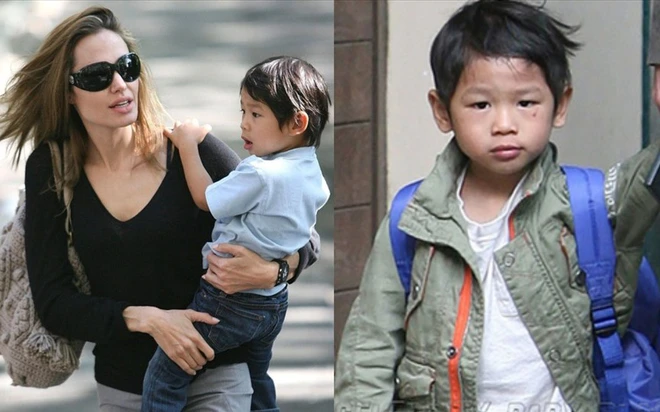
Guardian Care: A Saigon-based charity providing essential support and compassionate care to local communities.
NOTE: TO LEARN ABOUT VIETNAMESE VIRTUES, PLEASE CLICK HERE!
II. Recommendations for Your Friends
Initial Research and Networking: Before traveling, thoroughly research reputable Vietnamese NGOs and organizations working in their areas of interest. Reach out to them to explore potential collaboration.
Contact Relevant Authorities: Depending on the planned activities, advise your friends to contact the relevant Vietnamese government agencies (e.g., Ministry of Foreign Affairs, local People’s Committees, specific sector ministries like Education or Natural Resources and Environment) to inquire about the necessary procedures and permits.
Be Prepared for Bureaucracy: Obtaining permissions and navigating regulations can sometimes be a bureaucratic process. Patience and a willingness to work with local partners are crucial.
Focus on Sustainable and Collaborative Efforts: Emphasize the value of long-term, sustainable contributions in partnership with local communities rather than short-term, independent actions.
Respect Local Laws and Customs: It’s paramount to respect Vietnamese laws and cultural norms in all their activities.
In summary, while Vietnam may be receptive to your friends’ noble intentions, it’s crucial that they understand the need to operate within the legal framework and collaborate with local entities to ensure their activities are permitted and effective.
NOTE: TO DIVE INTO VIETNAMESE ADMINISTRATION & SOCIETY, PLEASE CLICK HERE!
III. Tourism Companies as Project Facilitators: Is it Allowed?
Yes, engaging a reputable tourism company as an intermediary to connect your friends’ projects with relevant government agencies and NGOs in Vietnam is a viable and often recommended approach.
Here’s why:
Navigating Bureaucracy: Tourism companies with experience in community-based tourism or social impact initiatives often have established relationships and a better understanding of the local bureaucratic processes. They can assist with identifying the correct government departments and NGOs to approach and help with the initial communication and paperwork.
Cultural and Language Bridge: A local tourism company can help bridge any cultural and language barriers, ensuring clear communication and understanding between your friends and the Vietnamese organizations.
Legitimacy and Trust: Working through a registered tourism company can add a layer of legitimacy and trust to your friends’ initiatives, making it more likely for government agencies and NGOs to consider their proposals seriously.
Logistical Support: The tourism company can also provide logistical support for your friends’ activities, such as transportation, accommodation, and coordination with local partners.
Compliance with Regulations: A knowledgeable tourism company will be aware of the current regulations and requirements for foreign individuals or groups undertaking volunteer, charitable, or environmental activities.
However, it’s important to note:
Due Diligence: Your friends should thoroughly research and choose a reputable tourism company with a proven track record in facilitating such initiatives. Check their credentials and seek references if possible.
Ultimate Approval Lies with Authorities: While a tourism company can facilitate the process, the final approval for any activities will still rest with the relevant Vietnamese government agencies and the discretion of the NGOs involved.
Transparency is Key: Ensure that the tourism company facilitates transparent communication and agreements between your friends and the local partners.
NOTE: TO UNLOCK THE POLITICS & ARMED FORCES OF VIETNAM, PLEASE CLICK HERE!
IV. Relevant Government Agencies and NGOs
Here is a list of some relevant Vietnamese government agencies and NGOs that could potentially support your friends’ initiatives, keeping in mind that the specific agency or NGO will depend on the exact nature of their project:
Government Agencies (for initial inquiries and approvals):
Ministry of Foreign Affairs (Bộ Ngoại giao): For general inquiries regarding foreign activities and international cooperation.
Local People’s Committees (Ủy ban Nhân dân tỉnh/thành phố): For local-level approvals and coordination of activities within specific provinces or cities. Contact information can usually be found on the official websites of the respective provinces/cities.
Ministry of Public Security (Bộ Công an): For matters related to security and registration of foreign activities.
Committee for Foreign Non-Governmental Organization Affairs (Ủy ban Công tác về các tổ chức phi chính phủ nước ngoài): This committee oversees the activities of international NGOs in Vietnam.
Union of Friendship Organizations of Vietnam (Liên hiệp các tổ chức hữu nghị Việt Nam – VUFO): Facilitates cooperation between Vietnamese and foreign NGOs.
Numerous local and international NGOs focusing on specific areas such as education, environment, healthcare, and community development. Your friends will need to research organizations aligned with their interests within Vietnam. Websites like NGO Resource Centre (https://ngocentre.org.vn/) can be helpful for finding relevant NGOs.
NOTE, TO KNOW THE WEATHER & CLIMATE IN VIETNAM, PLEASE CLICK HERE!
V.Final Recommendations
Advise your friends to:
Clearly define their project goals and the type of support they need.
Research reputable tourism companies in Vietnam that have experience in facilitating volunteer or community-based tourism.
Contact these tourism companies to discuss their projects and how the company can assist in connecting them with relevant government agencies and NGOs.
Be prepared to provide detailed information about their plans and be patient throughout the approval process.
By working through a knowledgeable tourism company, your friends can significantly increase their chances of successfully implementing their volunteer and charitable initiatives in Vietnam while ensuring they operate within the legal framework.