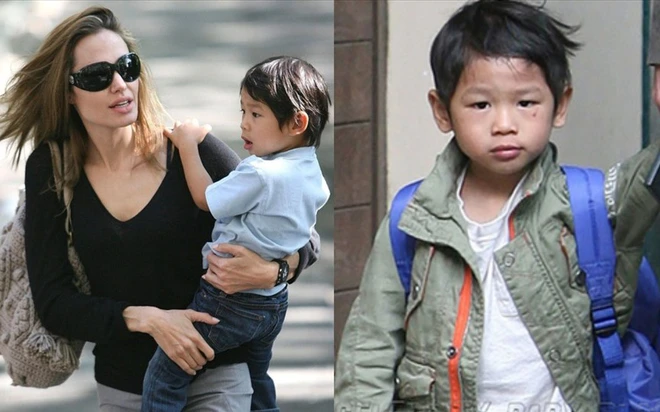
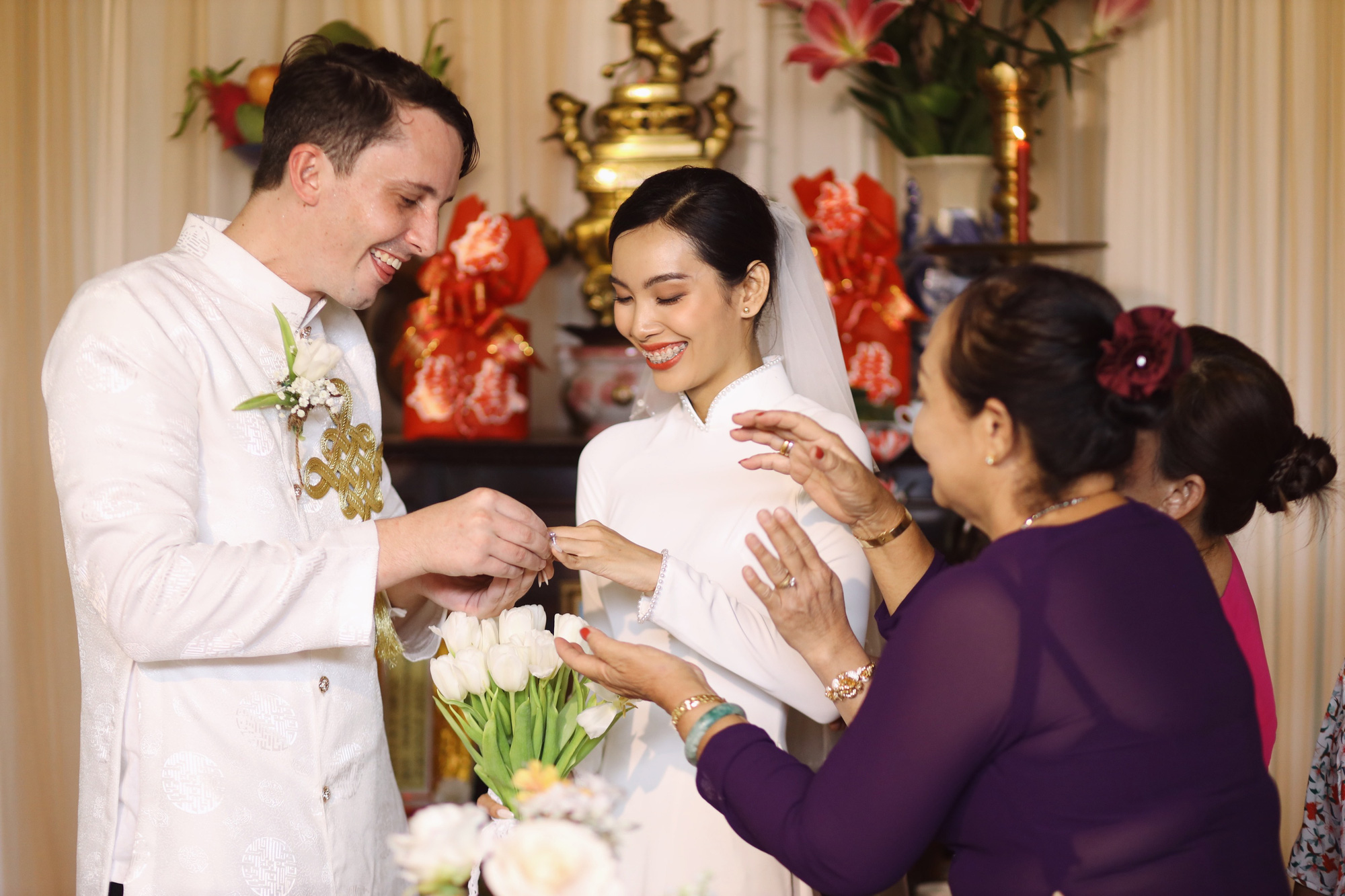
Video: Friendly interaction between an Italian tourist and a Vietnamese girl, showcasing hospitality.
Why Some Vietnamese People Interact with Foreign Tourists in Ways Like Taking Photos, Touching Babies’ Heads/Faces, or Holding Them
It’s understandable why some foreign tourists might feel surprised or even uncomfortable by the enthusiastic displays of affection and the desire for close interaction, like wanting to take photos, touch faces, or hold children, that they sometimes encounter in Vietnam. From their cultural perspective, these actions can feel intrusive, potentially unhygienic, or even raise concerns about ulterior motives. However, within the Vietnamese cultural context, these behaviors often stem from genuine warmth, curiosity, and a deep-seated sense of hospitality.
SPECIAL OUTLINE
Get an immediate grasp of our article’s core and structure through these key highlights:
Decoding Unexpected Interactions: Introduce common surprising behaviors from Vietnamese locals towards tourists, framed by underlying cultural warmth and genuine curiosity.
The Desire for Shared Moments: Taking Photos: Explore the reasons why Vietnamese people often seek to take photos with foreign visitors, driven by novelty, friendliness, and a wish to connect.
Expressions of Affection Towards Children: Delve into the cultural significance of touching babies’ heads/faces or holding them as gestures of endearment, admiration, and goodwill.
Navigating Interactions Gracefully: Provide practical tips for foreign visitors on how to understand, interpret, and politely respond to these unique cultural exchanges.
UNDERSTANDING THESE UNIQUE CULTURAL INTERACTIONS ENRICHES YOUR TRAVEL EXPERIENCE, REVEALING THE GENUINE WARMTH AND HOSPITALITY THAT DEFINE VIETNAM!
Now, let’s unveil the cultural insights behind these heartwarming Vietnamese interactions!
1. PHENOMINAS IN INTERATION OF THE LOCAL PEOPLE WITH FOREIGNERS IN VIETNAM
Tourists and locals sharing a photo moment.
Here’s a breakdown to help bridge this cultural gap:
The “Novelty” Factor and Genuine Curiosity: For many Vietnamese people, especially in areas less frequented by tourists, encountering someone from a different part of the world can still be a relatively novel experience. There’s a natural human curiosity to see, interact with, and learn about people who look different or come from different backgrounds. The desire to take a photo is often a way to capture this unique encounter, a memento of a connection made. It’s rarely meant to be exploitative but rather a way to document a moment of cross-cultural interaction.
Demonstrations of Friendliness and Hospitality: Vietnamese culture places a very high value on hospitality. Showing warmth and making guests feel welcome is deeply ingrained. Approaching tourists, expressing admiration, and wanting to take a picture can be seen as extensions of this hospitality. It’s a way of saying, “We are happy to have you here, and we want to connect with you.”
Affection and Endearment, Especially Towards Children: Vietnamese people often express affection physically, and this extends to visitors, especially children. Touching a child’s cheek or head is often meant as a sign of endearment and goodwill, similar to how one might compliment a cute animal. While Western cultures often have stricter boundaries around touching children, in Vietnam, these gestures are generally intended to be innocent and well-meaning expressions of warmth. The desire to hold a child can stem from a genuine admiration for their cuteness and a desire to connect with the parents.
A Desire to Connect and Bridge Cultural Gaps: For many Vietnamese, interacting with foreigners is also an opportunity to practice their English, learn about different cultures, and build bridges. The photo opportunity can be a starting point for a brief conversation and a moment of cultural exchange, however fleeting.
Cultural Differences in Personal Space and Boundaries: Perceptions of personal space and appropriate physical contact vary significantly across cultures. What feels like an intrusion in one culture might be considered a friendly gesture in another. In many Asian cultures, including Vietnam, physical touch among acquaintances or even strangers in certain contexts can be more common than in some Western cultures.
Vietnamese children engaging with tourists at the Temple of Literature.
NOTE: HERE IS A SERIES OF TRAVEL TIPS, WITH MORE IMPORTANT REMARKS, PLEASE CLICK HERE
2. To help foreign visitors understand and perhaps even appreciate this behavior:
Try to view it through the lens of Vietnamese culture: Recognize that these actions often come from a place of genuine friendliness and curiosity, not malice or ill intent.
Consider the context: Is the person smiling? Do their actions seem genuinely enthusiastic and welcoming?
Acknowledge the novelty factor: Understand that for some Vietnamese, encountering a foreign tourist is still a special event.
Set your boundaries politely but firmly if you feel uncomfortable: A gentle smile and a polite “no, thank you” is usually sufficient.
Remember the positive intent: While the behavior might feel unusual, it often reflects a genuine desire to connect and make visitors feel welcome in Vietnam.
By understanding the cultural nuances and the warm-hearted nature of many Vietnamese people, foreign visitors can often reframe these interactions from being perceived as intrusive or strange to being seen as expressions of genuine friendliness and a desire to connect across cultures. It’s a testament to the open and welcoming spirit that many travelers come to cherish about Vietnam.
A local interacting with a child tourist.
NOTE: TO LEARN MORE ABOUT VIETNAMESE CHARATERISTICS & VIRTUES, HERE IS A SERIES OF TOPICS, PLEASE, CLICK HERE!